


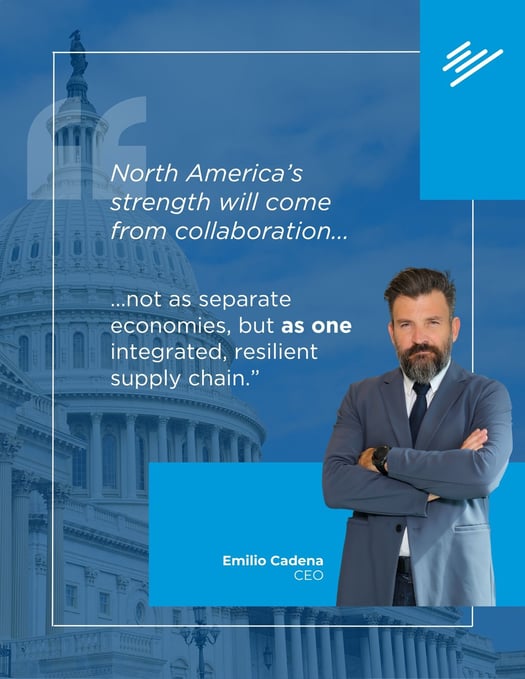
North American stands at a turning point defined not by rivalry, but by collaboration. The future of manufacturing competitiveness lies in how effectively the United States, Mexico, and Canada can operate as one integrated, resilient supply chain.
Under the USMCA, Mexico has become a cornerstone of this transformation. Its manufacturing base, workforce, and institutional maturity are enabling companies to align cost efficiency with continuity and innovation. Together, the region is proving that nearshoring is not merely about proximity; it’s about partnership.
The new e-book, Supply Chain in Mexico 2025: Building the Future of North American Manufacturing, outlines Prodensa’s regional insights and strategic vision for sustainable growth. It explores how nearshoring, friendshoring, and regulatory cooperation are shaping the next decade of North American industry, offering a roadmap for executives seeking to turn opportunity into long-term advantage.
Six Strategic Pillars to Strengthen North America’s Manufacturing FootprintAt
At Prodensa, we see the next phase of nearshoring not as relocation, but regional co-creation. These six strategic pillars represent how manufacturers can design forward-thinking supply chain strategies: aligning operations, suppliers, and policies across North America for long-term competitiveness.
 The USMCA is an Enabler of Regionalization
The USMCA has become the institutional backbone of North America’s production model. It ensures predictability and legal alignment, encouraging companies to invest locally and qualify for USMCA certificate compliance. In sectors like automotive and electronics, it’s the foundation for tariff-free trade and integrated innovation.
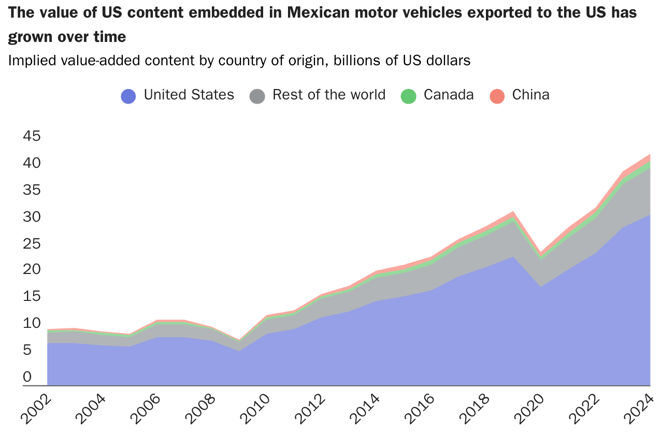
U.S. Content Growth in U.S. Auto Imports
Resilience is Now More Important than Cost Savings
Global disruptions have proven that efficiency alone is not enough. Nearshoring to Mexico reduces logistics risks and builds flexibility into operations. Companies are diversifying suppliers, shortening lead times, and ensuring continuity which strengthens North America’s position in an unpredictable world.
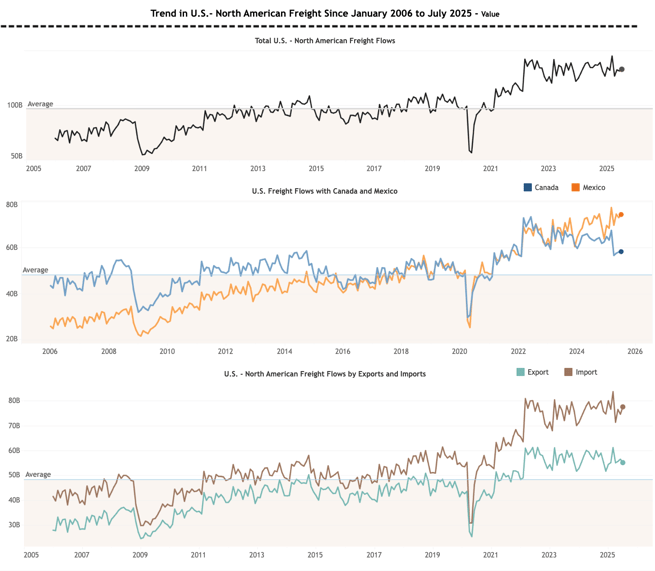
Intraregional Freight Growth in the USMCA
Local Supplier Development is the Key to Competitiveness
True nearshoring means producing more components within the region. Supporting domestic suppliers improves Mexico’s exports to the U.S., reduces import dependency, and promotes sustainable growth. Prodensa’s supplier development programs help bridge quality, compliance, and capacity gaps to strengthen local value creation.
According to Mexico's Ministry of Economy, about 90% of Mexico's exports to the United States meet USMCA requirements to avoid current tariffs.
SMEs Must Be Integrated into Regional Ecosystems
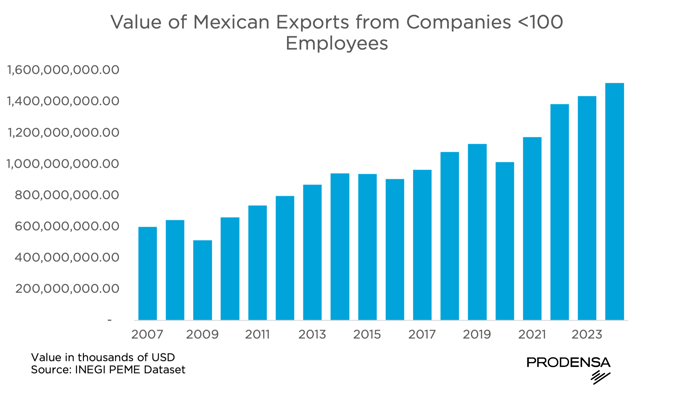
Small and medium manufacturers are critical to scalability and innovation. Integrating SMEs into regional supply chains through training, certifications, and financial support ensures inclusive growth — expanding the advantages of nearshoring for companies of all sizes.
Growth of Mexican Exports by Small Companies
Compliance and Transparency Are Foundations of Trust
Cross-border trade thrives on trust. Adherence to Mexico customs rules, VAT certification, and labor compliance ensures reliable and ethical operations. Prodensa supports companies in maintaining USMCA and IMMEX compliance, securing export eligibility and long-term investor confidence.
Understanding Rules of Origin
Browse our informative blogs.





Ally-shoring Requires a Broader Institutional Vision
To build a truly resilient region, Mexico and the United States must align on workforce development, energy transition, and ESG goals. The next stage of nearshoring will depend on shared commitments — turning friendshoring into a comprehensive strategy for innovation and sustainability.
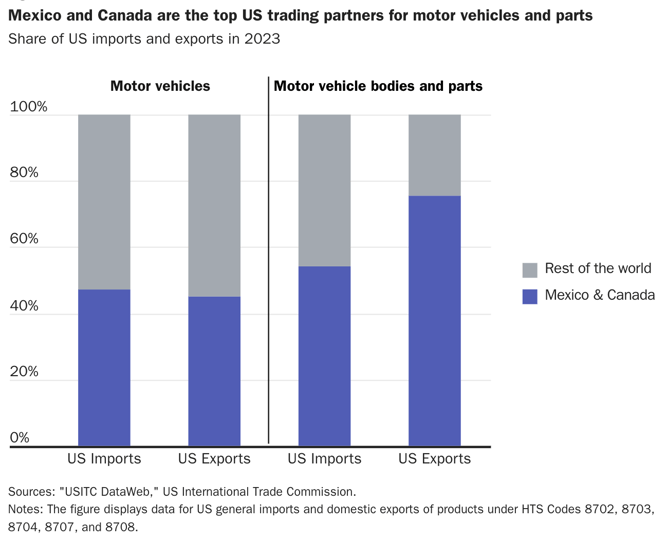
Canada and Mexico Important Trading Partners with the U.S.
A Shared Future for North American Manufacturing
Executives seeking to position their operations strategically within this new landscape can explore Prodensa’s new e-book, Supply Chain in Mexico 2025, which provides actionable insights, regional data, and real-world strategies for building stronger, smarter, and more sustainable manufacturing networks.
Start your Mexico Journey.