


In 2025, the case to expand business to Mexico is stronger than ever. As companies seek more resilient, nearshore operations, Mexico stands out as a strategic destination for both manufacturers and service providers looking to operate within North America under the framework of the USMCA.
But while the opportunity is clear, success starts with compliance.
This guide will walk you through the legal and tax requirements involved in expanding your business to Mexico, and why compliance is not just a necessity, but a long-term advantage. Whether you plan to open a factory or deliver exportable services, understanding the regulatory landscape is essential.
Understanding the Legal Framework
Mexico offers a stable legal environment for foreign investment, backed by its role in the United States-Mexico-Canada Agreement (USMCA). This trade agreement ensures tariff-free access to North American markets and provides a reliable framework for cross-border manufacturing and services.
Choosing the Operational Model for Business
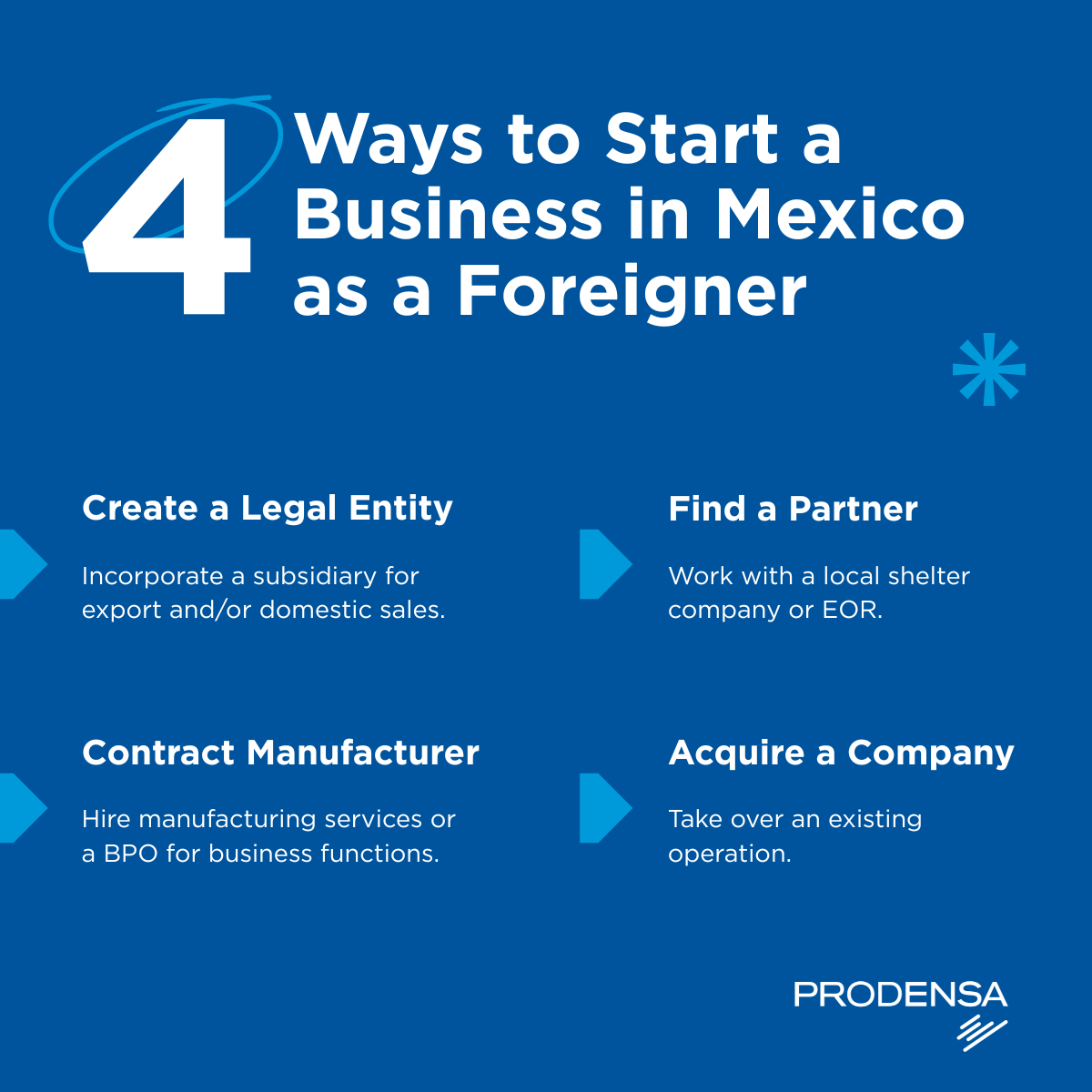
When doing business in Mexico, companies must choose between several operational models.
Creating a legal entity (S.A. de C.V. or S. de R.L.)
For companies looking for the most flexibility and long-term value, a subsidiary is probably the best option.👉 How to Incorporate a Legal Entity in Mexico
Working with a Shelter or EOR provider
For companies seeking an operations partner to lessen the burden and risk of operating in Mexico, a number of turnkey operations models are available according to the business plan.👉 Everything you Need to Know about Shelter in Mexico
👉 Everything you Need to Know about Employer of Record in Mexico
Acquiring an Existing Operation
For some companies, entering into a Joint Venture or acquiring a company in Mexico may be an option to enter the market.
👉 Case Study: Facilitating a Strategic Acquisition of a Medical Device Manufacturer in Mexico
Hiring a Contract Manufacturer or BPO
Seeking a provider for manufacturing or Business Process Outsourcing for certain functions is another way to expand into the Mexican market with a partner.
👉 Read the blog: How to Find a Manufacturer in Mexico
👉 Explore the Shared Service industry in Mexico
👉 What are turnkey manufacturing solutions: Inshoring?
Each model has its own compliance obligations, timelines, and tax structures. Selecting the right one depends on your industry, scale, and desired level of control. Due diligence at this stage is critical.
Permits & Registration: What you Need
There are a number of requirements for expanding a business to Mexico and getting started on the right footing.
Permit Requirements for Manufacturers in Mexico
-
Business Registration: Register with Mexico's Public Registry of Commerce and obtain an RFC (tax ID) from SAT.
-
IMMEX Program: IMMEX enables VAT deferral on imports for export-oriented manufacturers. Highly recommended.
-
Environmental & Land Use Permits: Required at local, state, and federal levels depending on project size.
-
Operating License (Licencia de Funcionamiento): Issued by the municipality.
-
Energy Registration: Coordinate with CFE for industrial electricity connections.
👉 Read IMMEX Compliance Requirements forManufacturers in Mexico
Permit Requirements for Service Providers in Mexico
-
Legal Entity Setup: As with manufacturers, registration with SAT and Public Registry is required.
-
Local Representation: A legal representative with a Mexican address is necessary.
-
Professional Permits: For regulated industries (e.g., engineering, legal), additional credentials may be required.
- Specialized Service Certification: For providing services to the local domestic market and complying with strict outsourcing regulations.
-
Cross-Border Services: If services are exported, consider formalizing operations to qualify for tax benefits.
Labor & Social Security Obligations
Under Mexican labor law, both manufacturing and service companies must:
-
Register employees with IMSS (social security), INFONAVIT, and SAR (retirement savings).
-
Comply with collective bargaining agreements where applicable.
-
Use legally compliant employment contracts.
-
Classify workers correctly to avoid fines or lawsuits.
Working with an EOR like Mindfacturing® can simplify this process by managing employment, payroll, and benefits on your behalf.
👉 Download the Labor Law e-book for free.
Mexican Tax Compliance Essentials
-
Corporate Income Tax: Generally 30%, with deductions available.
-
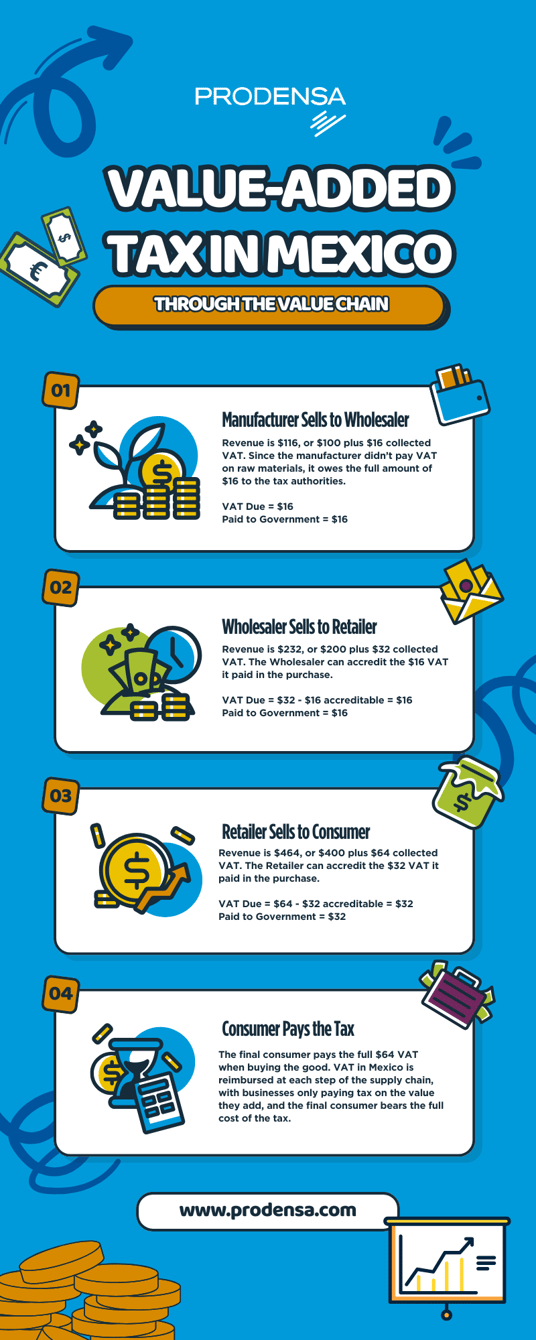
Value-Added Tax (IVA): 16%, but service exports may qualify for a 0% rate.
-
Digital Invoicing (Facturas): Required for all business transactions.
-
Transfer Pricing Rules: Must be followed for intercompany operations.
-
Annual Filings: All businesses must file tax declarations and maintain accurate accounting records in Spanish.
A qualified tax advisor or due diligence provider is essential for accurate setup and ongoing compliance.
👉 Read Mexico's Guide to Tax Treaties here.
👉 What is the Safe Harbor tax calculation method?
Why US-Mexico Compliance Matters
Operating under the USMCA provides benefits, but it also requires documentation and legal traceability:
-
Rules of Origin: Require documented proof for tariff exemptions.
-
Labor and environmental provisions: Are enforceable.
-
Regulatory alignment: Increases trust with U.S. clients, investors, and government stakeholders.
In short, compliance is not a burden—it's a strategic asset.
Common Pitfalls to Avoid
-
Delays from missing local permits
-
Overlooking municipal vs. federal regulations
-
Misclassifying labor relationships
-
Failing to apply for VAT certification or IMMEX on time
-
Launching without proper due diligence
Compliance Is a Competitive Advantage
Companies that take the time to properly establish their legal, tax, and labor frameworks in Mexico are better positioned to scale operations, attract investment, and withstand regulatory changes.
Whether you're opening a manufacturing facility or service firm, formalizing your presence is the best way to get off on the right foot when expansing business to Mexico.
‼️ Download the Compliance Checklist for Expanding Business to Mexico
To help you get started, we’ve compiled a complete Market Entry Compliance Checklist tailored for foreign companies expanding to Mexico.