


In 1985, Prodensa was founded with a mission to drive industrial growth in Mexico. Forty years later, the country’s key manufacturing regions have transformed into global hubs of competitiveness. From Monterrey to Querétaro, these markets tell the story of Mexico’s journey — and our journey — as trusted partners in building the future of North American industry.
Industrial Growth in Mexico: Some Primary Industrial Markets where Prodensa Operates
Explore some of Prodensa’s key industrial regions—where foreign manufacturers have driven growth, innovation, and opportunity within their communities. For forty years, Prodensa has proudly supported this progress.
Monterrey, Nuevo León
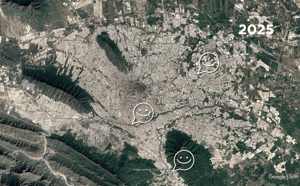
From a steel and glass city in 1985 to Mexico’s industrial capital in 2025, Monterrey has become a hub of advanced manufacturing and innovation.
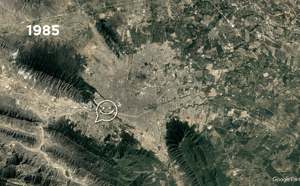
1985: Monterrey was already a hub for heavy industry, steel, and glass production, but the city’s role was mostly tied to traditional sectors and a domestic focus.
2025: Today, Monterrey is Mexico’s industrial capital and a magnet for foreign investment. With advanced clusters in automotive, aerospace, and IT, it is a powerhouse of nearshoring and innovation.
-
Education & Talent: Expansion of Tecnológico de Monterrey and other universities fueling an engineering-driven workforce.
-
Infrastructure: Development of modern industrial parks, highways, and logistics corridors with the U.S. border.
-
Global Role: Headquarters hub for Fortune 500 multinationals in Mexico.
Saltillo, Coahuila
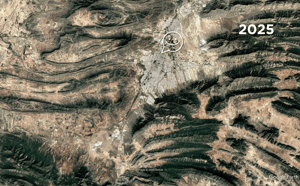
Saltillo’s evolution from “Mexico’s Detroit” to a consolidated automotive and EV hub reflects 40 years of deepening supplier ecosystems.
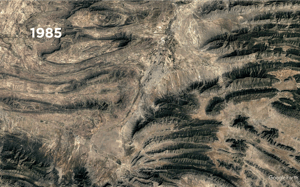
1985: Known as “Mexico’s Detroit,” Saltillo was centered on GM and Chrysler operations, laying the foundation for its automotive identity.
2025: The city has become a consolidated automotive hub with Tier 1 and Tier 2 supplier ecosystems, complemented by new investments in EV manufacturing and metal-mechanics.
-
Cluster Development: One of the earliest examples of Mexico building an integrated automotive ecosystem.
-
Workforce: Generational expertise in stamping, metal-mechanics, and auto parts manufacturing.
-
Connectivity: Strong links with Monterrey create a binational-style corridor of competitiveness.
Mexicali, Baja California
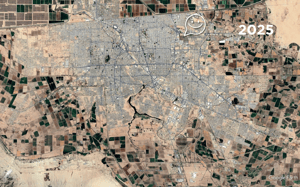
What began as an emerging maquiladora border town is now a high-tech center for aerospace, medical devices, and electronics.
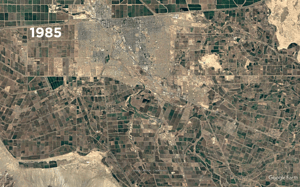
1985: At the border, Mexicali was an emerging maquiladora city with limited infrastructure, focused largely on assembly operations.
2025: Today, it is a key high-tech manufacturing center, specializing in aerospace, medical devices, and electronics, supported by a highly skilled workforce and binational supply chains.
-
Border Advantage: Direct link with California, leveraging proximity to U.S. innovation centers (San Diego, Silicon Valley).
-
Energy & Infrastructure: Growth of reliable energy supply and industrial zones tailored to high-tech needs.
-
Binational Culture: Workforce fluent in cross-border operations and standards.
Silao, Guanajuato
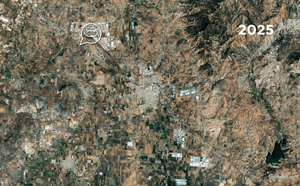
From agricultural roots and limited industry in 1985, Silao has become one of Mexico’s most dynamic automotive and logistics hubs in 2025.
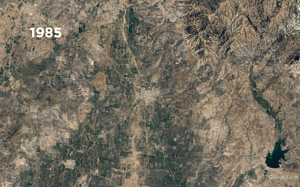
1985: Silao was a small, agricultural-focused city with limited industrial presence, known mainly for farming and local commerce. Industrial development was minimal, with few large-scale operations.
2025: Silao has transformed into the heart of Guanajuato’s automotive cluster, anchored by General Motors and supported by a strong ecosystem of Tier 1 and Tier 2 suppliers. It is also a critical logistics hub thanks to the Bajío International Airport and highway connectivity, positioning the region as a gateway for both domestic and export markets.
-
Automotive Powerhouse: GM’s complex in Silao is among the largest in Latin America, attracting a full ecosystem of suppliers.
-
Logistics & Connectivity: Bajío International Airport and central highway links to León, Querétaro, and Mexico City strengthen its competitiveness.
-
Cluster Development: Growth of the Bajío region as a manufacturing corridor, with Silao at the center of automotive, logistics, and advanced manufacturing.
-
Workforce: Continuous investment in technical education and training programs has built a specialized labor pool.
Querétaro, Querétaro
Querétaro has transformed from a mid-sized regional economy to one of Latin America’s fastest-growing aerospace and innovation hubs.
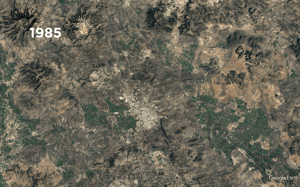
1985: Querétaro was a mid-sized city with limited manufacturing presence, known more for agriculture and small-scale industries.
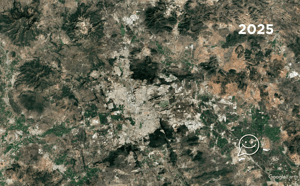
2025: It has become one of Mexico’s fastest-growing industrial and aerospace hubs, with advanced research centers, thriving real estate parks, and a reputation as a magnet for FDI and skilled talent.
-
Aerospace Leadership: Growth of the Querétaro Aerospace Cluster, now one of Latin America’s most advanced.
-
Research & Innovation: Partnerships with universities and R&D centers for Industry 4.0.
-
Population Growth: Expansion of urban zones and middle-class workforce fueling service and manufacturing sectors.
Prodensa: Our Footprint Means your Agility
Celebrating four decades of supporting manufacturing clients and impulsing growth in local communities has been a great achievement. But its not over. Our growth and operational footprint in Mexico and beyond means value for our clients.
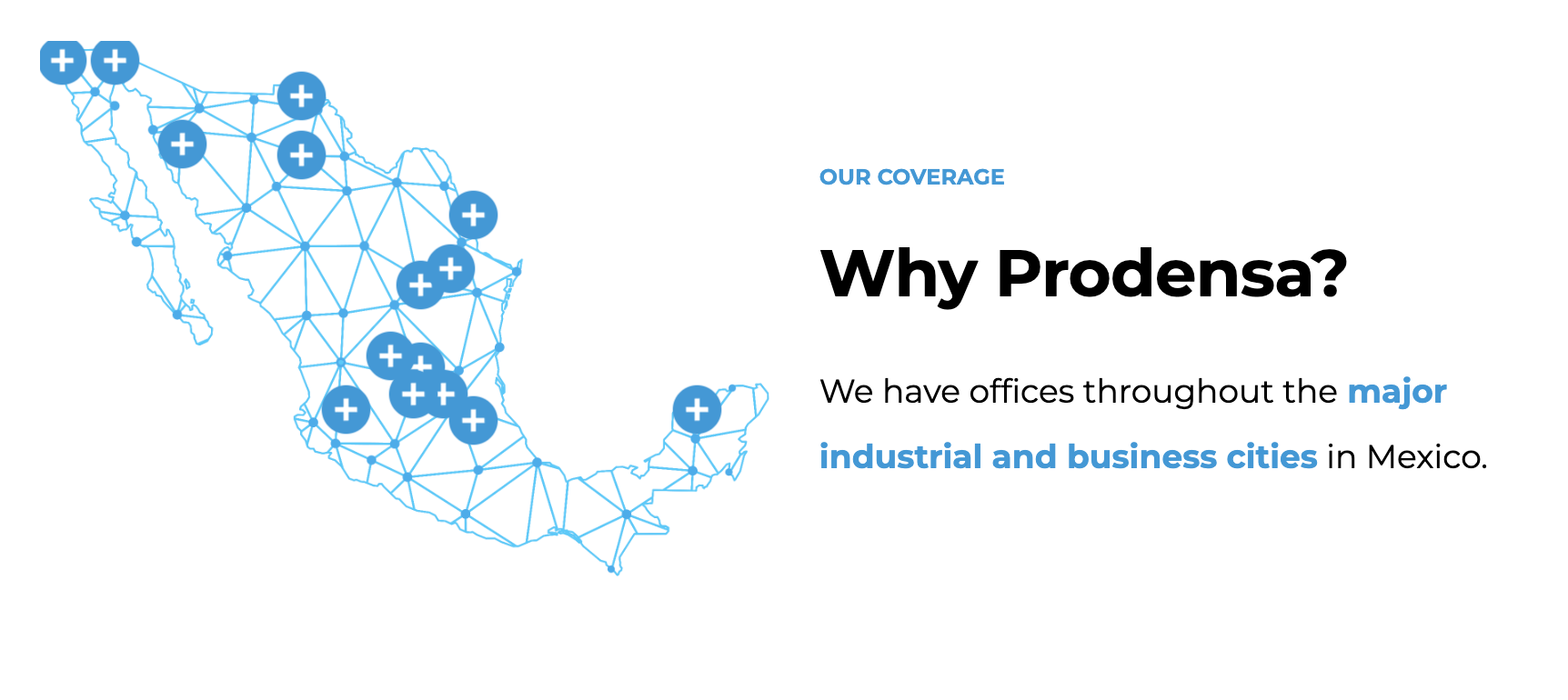
Conducting a site selection strategy utilizing data to validate a business plan means that we much assist clients wherever the data indicates. We are the only shelter company in Mexico to cover all the major and industrial cities in Mexico.
Celebrating 40 Years of Industrial Growth in Mexico
As we celebrate 40 years of impulsing growth, we honor the past while looking ahead to the opportunities that lie before us. Together with our clients, partners, and communities, we remain committed to shaping the next era of manufacturing in Mexico and beyond.

Contact us to get started on your Mexico Journey.

Explore our Industrial E-books


