

Understanding VAT in Mexico
If you're a manufacturer doing business in Mexico, understanding value-added tax (VAT), or IVA locally, is essential. VAT applies to nearly all stages of production, import, and services, but the good news is: much of it can be refunded.
This guide explains how VAT works in Mexico, the importance of VAT and IEPS certification, and the steps to secure efficient reimbursement—all in simple terms, no accounting degree required.
What is VAT in Mexico?
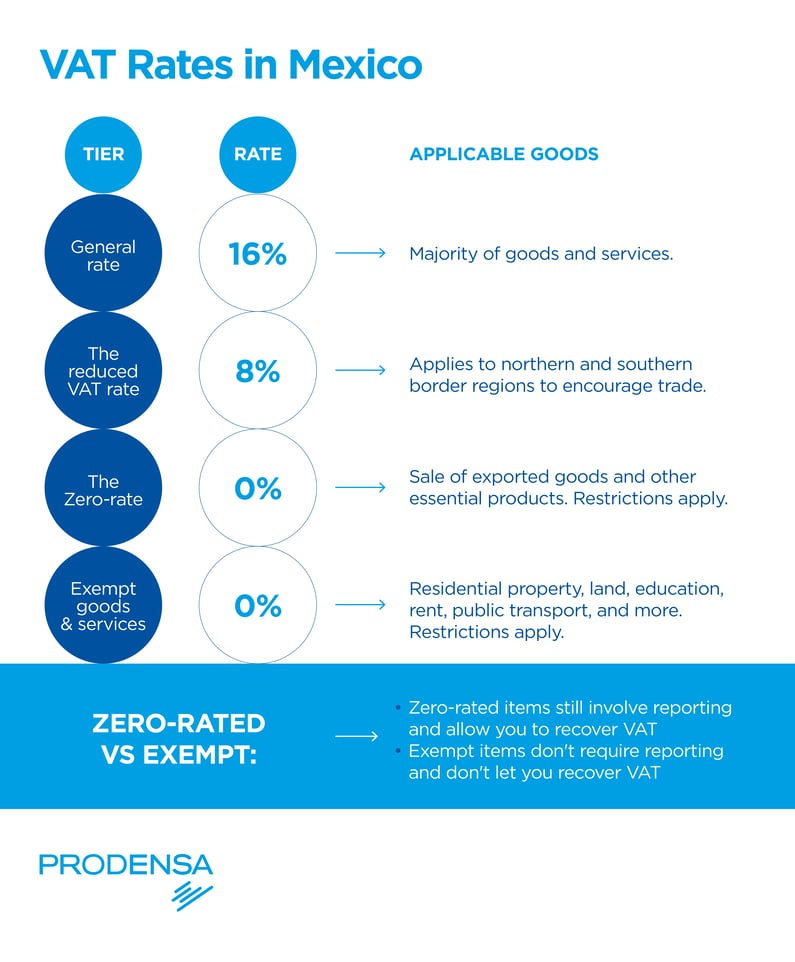
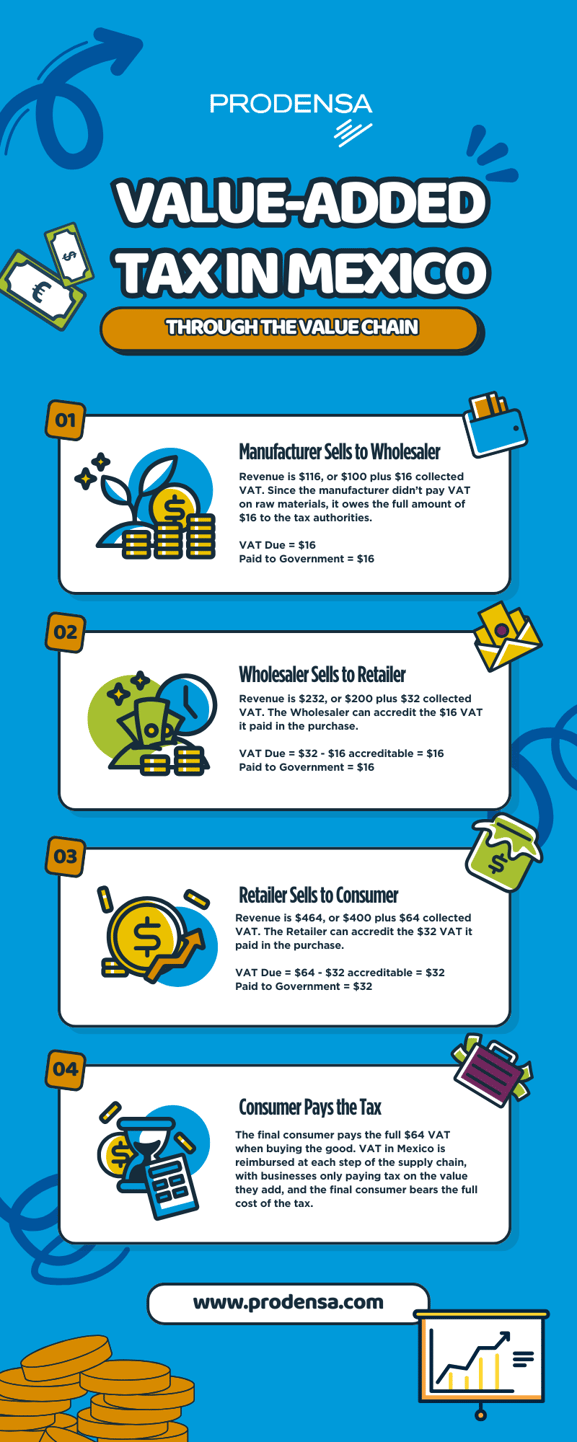
VAT in Mexico is a 16% indirect consumption tax applied to most transactions. It’s passed through the supply chain until the final consumer. Businesses can credit the VAT they pay on purchases against the VAT they collect from customers, or request a VAT refund if input tax exceeds output tax.
Who Pays VAT?
All individuals and entities conducting commercial activities (sales, imports, services, leasing) are generally subject to VAT in Mexico. Registration is required, and compliance with SAT (Mexico's tax authority) regulations is mandatory.
How Does it Work?
VAT is calculated based on the sale price of goods or services. Businesses can credit VAT paid on prior stages of the supply chain against what they owe, effectively taxing only the value added.
Applicable VAT Rates in Mexico Carve out Incentives
VAT on Digital Goods in Mexico
Companies doing business in Mexico can be charged with the VAT for the delivery of digital services and products. These are things like audio-visual products like music and movies, streaming services, online storage services, and internet providers, among others.
VAT for Manufacturers
Manufacturers in Mexico often pay VAT on imported goods, raw materials, and services. For example, importing $1 million in equipment may generate $160,000 in VAT. To avoid tying up cash flow, companies often:
-
Offset VAT: Use credit balances to reduce future VAT liabilities.
-
Request Reimbursement: Receive a direct refund from the tax authority (SAT).
Export-heavy companies, especially under IMMEX, frequently generate refundable VAT due to the 0% rate on exports.
How to Get a VAT Refund in Mexico
Businesses in Mexico can generally credit the VAT they pay on purchases and expenses related to VAT-taxable activities—including those subject to the 0% rate—against the VAT they collect from customers on their sales or services.
If a business pays more VAT on purchases than it collects from sales, the excess VAT can be recovered through:
- A refund from the tax authority,
- A credit applied to future VAT obligations.
What You Need to Qualify
To request a reimbursement, manufacturers must:
- Be a legally registered entity in Mexico
- File electronic invoices (CFDIs) that match up with your claims
- Prove you’ve paid the VAT (bank statements, receipts)
- Maintain a compliant digital accounting system
- Submit accurate and timely monthly tax returns
- Be up to date with SAT (Servicio de Administración Tributaria)
Companies operating under the IMMEX program—especially those with VAT certification—may have additional advantages or streamlined processes.
How VAT Reimbursement Works
Step-by-Step Process:
-
Track VAT Credits from eligible purchases, imports, and services.
-
Prepare Filing: Gather CFDIs, export documents, and payment proof.
-
Submit Request via SAT Portal.
-
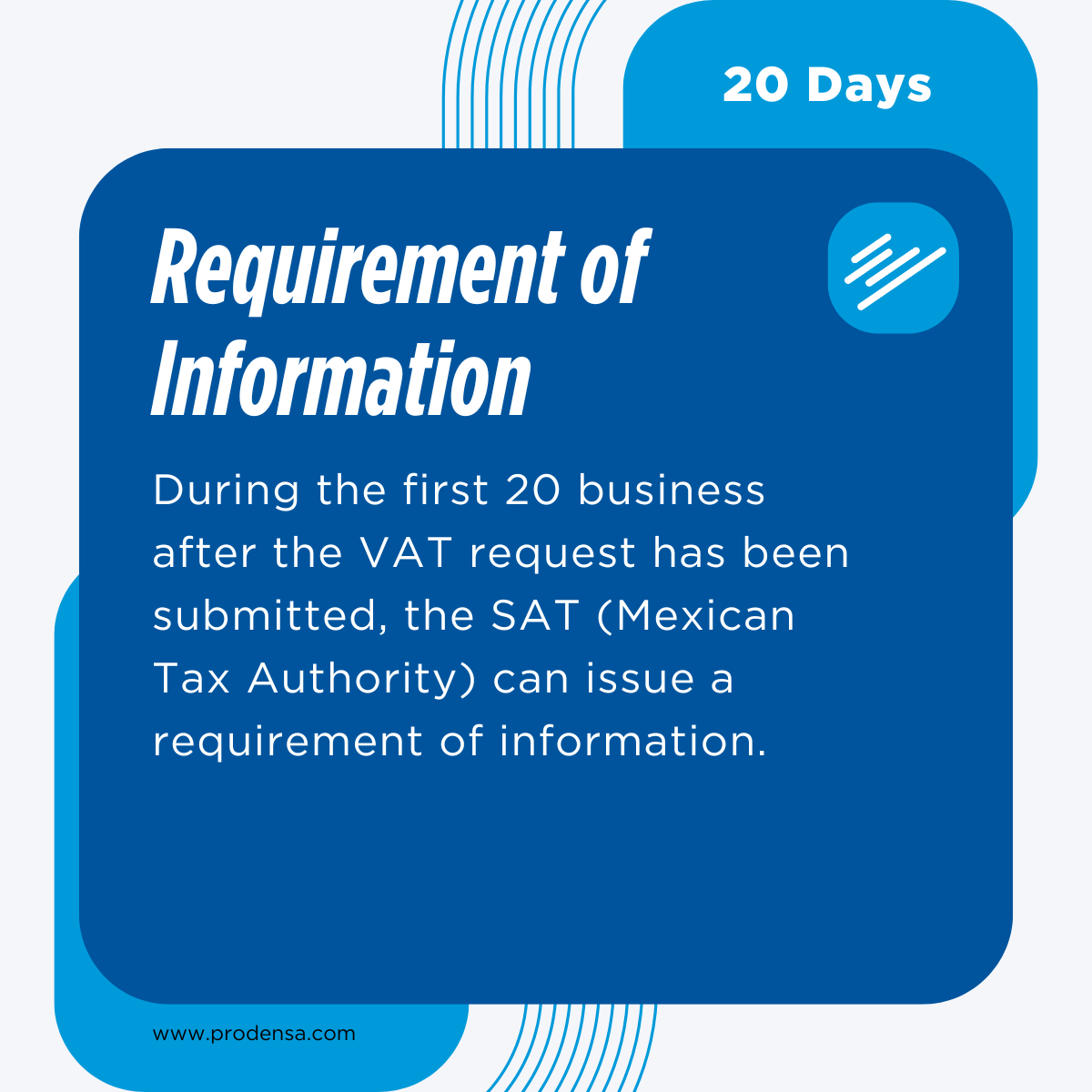
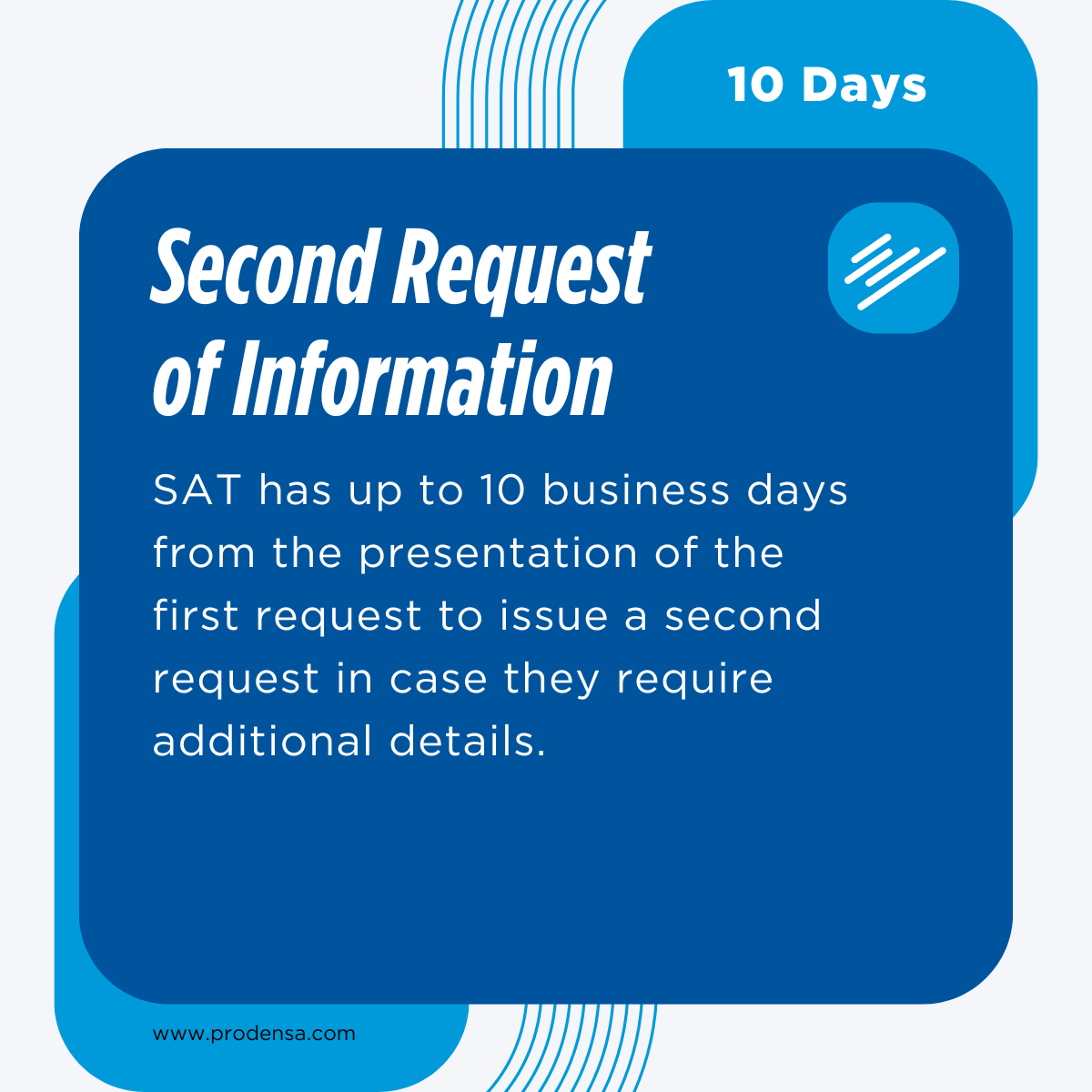
Wait for Review: SAT may audit or request further documentation.
-
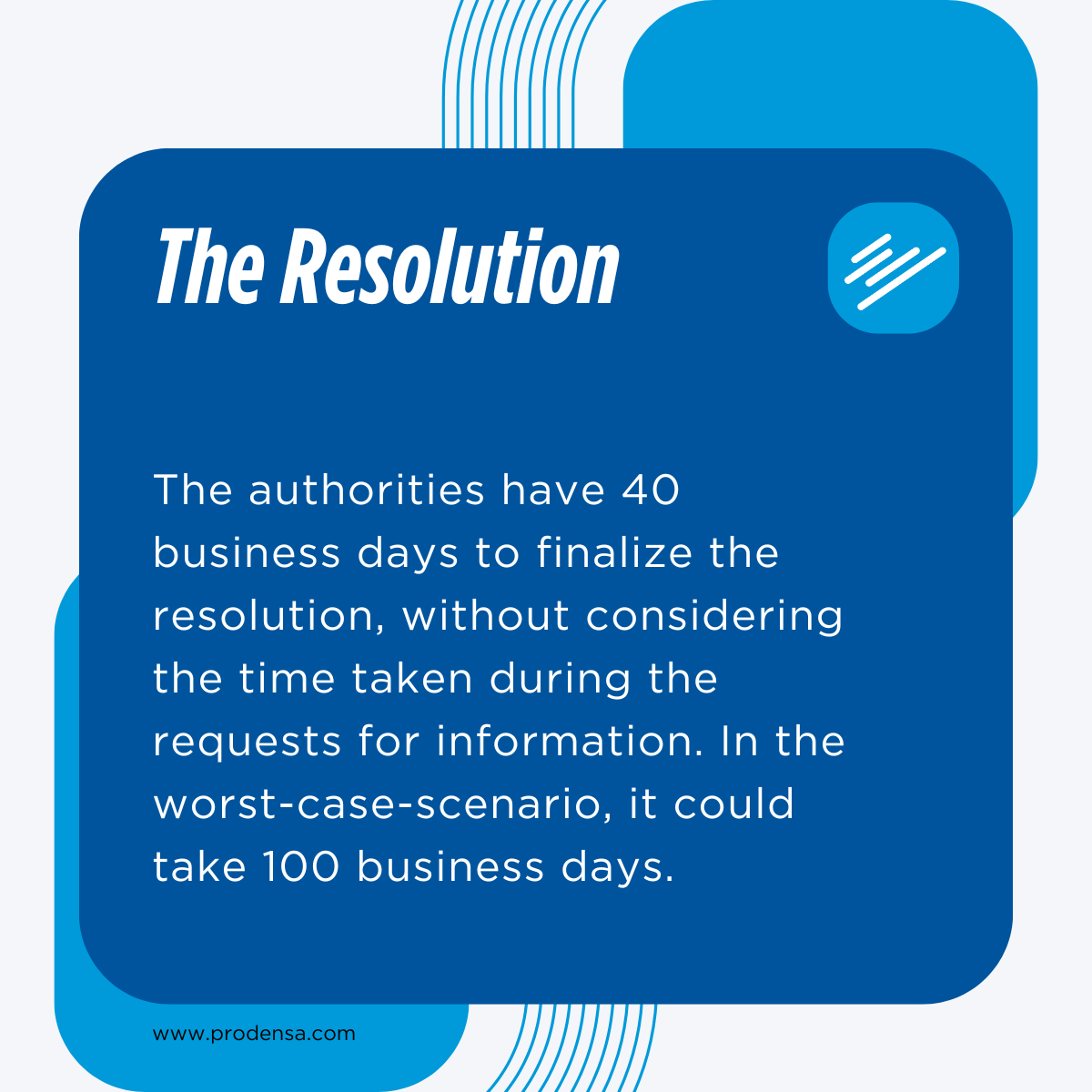
Receive Refund: If approved, the funds are deposited in your company’s Mexican account.


Best Practices for Smooth Reimbursement
-
Work with a tax advisor or shelter service expert.
-
Reconcile VAT credits regularly.
-
Conduct internal audits before filing.
-
Stay updated on SAT regulations.
-
Consider certification if VAT volume is high.
Avoiding Common Pitfalls
-
Incomplete invoices: Ensure CFDIs are correct and complete.
-
Late filings: Delays can void reimbursement.
-
Non-compliance: Even small errors can trigger audits.
-
Poor internal systems: Disorganized records slow down or block refund approval.
VAT Under the IMMEX Program
Mexico’s IMMEX program incentivizes export-driven manufacturing by offering tax advantages for companies that temporarily import goods for processing and then export the final product.
-
VAT Exemption: Certified IMMEX companies may avoid paying VAT on temporary imports.
-
Streamlined Reimbursements: VAT certification unlocks faster refund processing and fewer audits.
-
Compliance Requirements: These include inventory controls (Annex 24), export thresholds (60% or 80%), and regular reporting.
The maquiladora industry in Mexico operates within one of the most complex tax and foreign trade environments. Due to the international nature of their operations, IMMEX companies often generate VAT credit balances, since exports are taxed at a 0% rate. This creates a challenge in managing VAT refund requests—if not handled properly, companies risk significant delays, errors, or even losing the ability to recover those credits.
Obligations and Requirements for IMMEX Companies
The IMMEX program promotes the export sector by offering tax incentives to companies doing business in Mexico, especially those involved in manufacturing and exporting goods. To benefit, companies must meet specific requirements, including:
- Maintaining operational and financial controls over temporarily imported goods and materials.
- Minimum export levels: Companies must export at least 60% of their annual production.
- Inventory control systems: A detailed, automated inventory system (per Mexican customs rules - Annex 24) is mandatory.
- Reporting: An annual foreign trade operations report and others must be submitted.

VAT Certification (IVA/IEPS)
VAT Certification actually comprises of two components, (1) VAT, value-added tax, or IVA as the acronym in Spanish, and (2) Special Tax on Production and Services, or IEPS in Spanish. The IVA/IEPS Certification program is a credit line to companies that comply with specific fiscal requirements established by Mexico's tax authorities. This certification allows eligible companies to import goods without paying IVA, provided the goods are subsequently exported.
Certified companies enjoy significant benefits, such as preferential VAT rates, streamlined customs procedures, and improved cash flow—key advantages for businesses engaged in international trade.
What is IEPS?
IEPS, or Impuesto Especial sobre Producción y Servicios (Special Tax on Production and Services), is a federal tax in Mexico applied to the production, sale, or importation of specific goods and services considered non-essential or harmful to public health or the environment. These include products like alcoholic beverages, tobacco, sugary drinks, gasoline, and high-calorie foods.
Unlike VAT (IVA), which is generally applicable to most goods and services, IEPS targets a narrower group and is not always transferred directly to the final consumer—though in practice, it often affects retail prices. The calculation of IEPS depends on the type of product: it may be based on a fixed rate per unit or as a percentage of the sale price, as defined by the applicable tax regulations.
Key Requirements and Obligations
To maintain VAT Certification, companies must:
-
Stay current on all tax obligations, including VAT and IEPS payments, to avoid sanctions or suspension.
-
Notify AGACE (the General Administration of Foreign Trade Audits) of any changes to legal name, address, shareholders, facilities, subcontractors, clients, or suppliers.
-
Meet export thresholds:
-
IMMEX companies must export at least 60% of the value of temporarily imported goods, including maintaining Annex 24.
-
For sensitive goods listed in Annex II or 28, this threshold increases to 80%.
-
-
Submit regular reports to SAT, including:
-
Annex 31: tracking beginning inventory and inventory withdrawals
-
Other documentation supporting tax compliance and operational transparency
-
The Challenge of VAT Refunds in Mexico's Maquila Industry
Maquiladoras benefit from VAT exemptions on temporarily imported materials for export, but still generate creditable VAT on domestic expenses. Recovering these VAT balances is critical for cash flow, yet the refund process is complex and documentation-heavy. Without proper systems and automation, maquiladoras face high risks of delays and errors due to the large volume of data and strict compliance requirements set by Mexican tax authorities.

Doing Business in Mexico: VAT Strategy
For manufacturers expanding into Mexico, understanding VAT mechanisms is a major financial advantage. Efficient management of VAT refunds strengthens cash flow and ensures smoother operations. To learn more about the regulatory landscape, visit our Doing Business in Mexico page.
Do you need support with your VAT refund in Mexico?
Reach out to speak to an advisor about your situation.

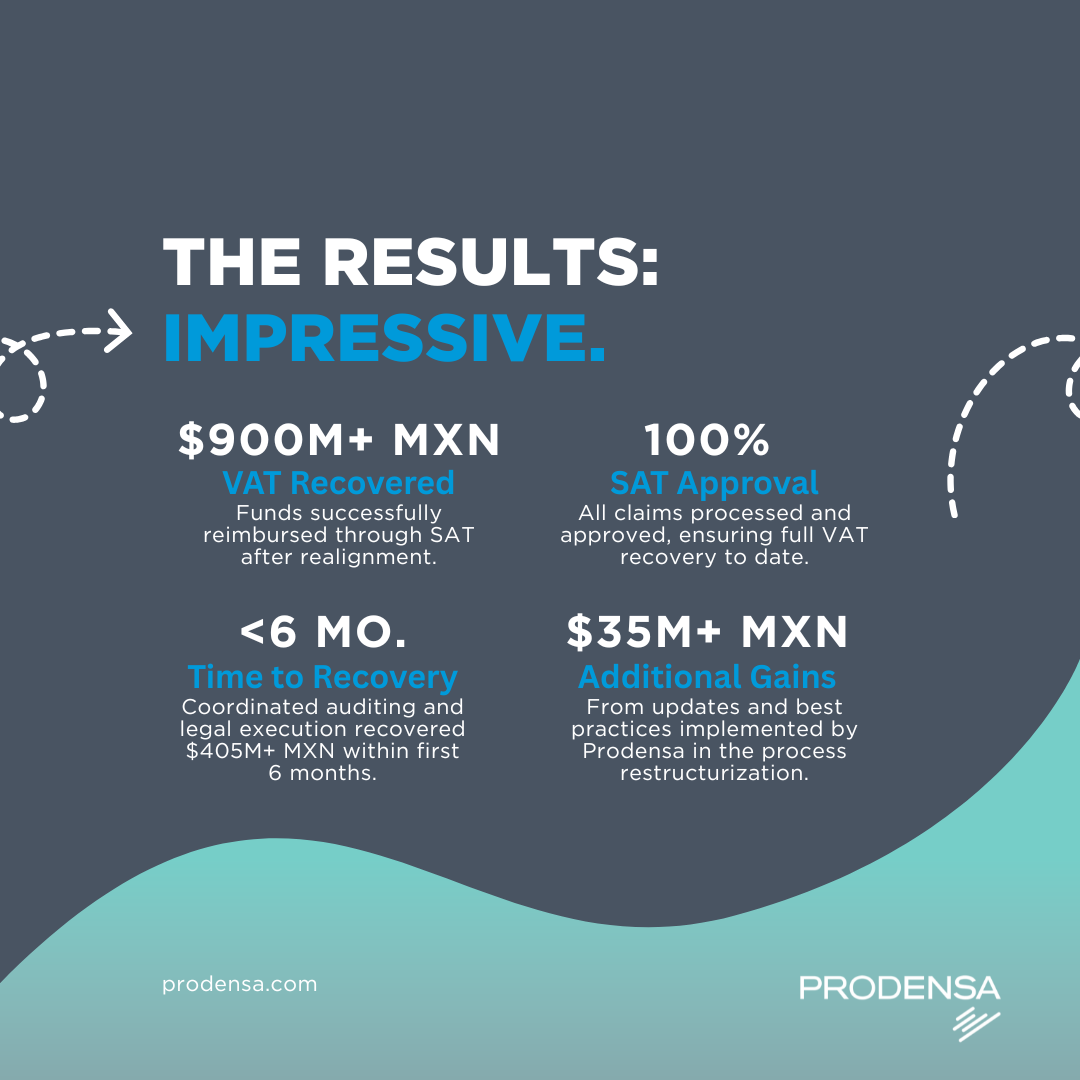
Explore the recent success story: How Prodensa Restructured Systems and Saved Millions