

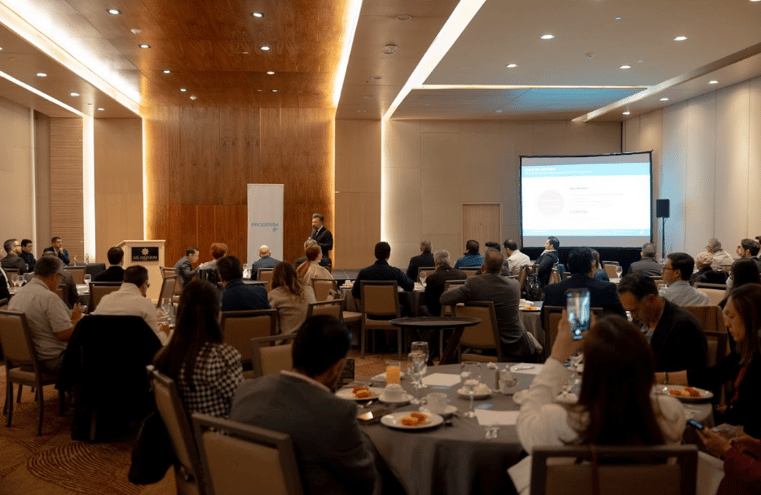
Monterrey, Mexico — April 20, 2026 — Prodensa hosted an executive breakfast on Monday, April 20, bringing together +100 participants, including clients and key industry players, at the Hotel MS Milenium Monterrey. With a duration of approximately two hours, the event created a space for meaningful dialogue around the most pressing topics shaping today’s business environment in Mexico.
The session focused on two critical areas: the evolving landscape of U.S.–Mexico trade relations and Mexico’s upcoming labor reform toward a 40-hour workweek.
Strengthening North America’s Competitive Position
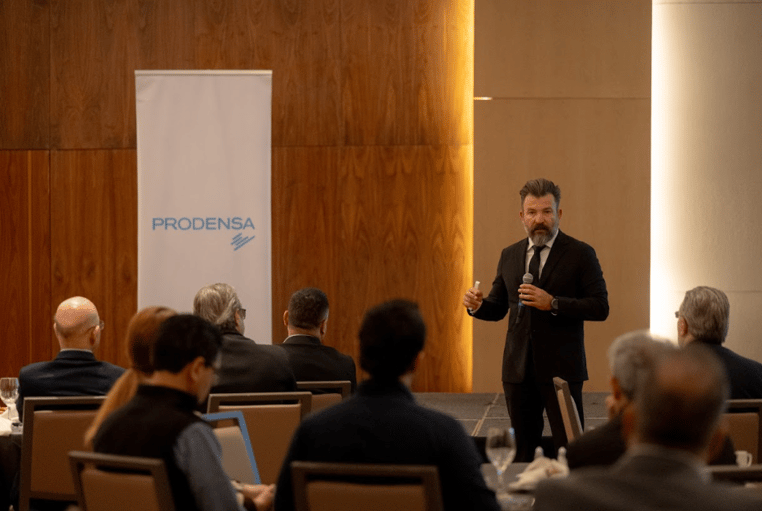
During the event, Emilio Cadena, CEO of Prodensa, shared a strategic perspective on the current state of U.S.–Mexico trade relations, emphasizing both challenges and long-term opportunities under the USMCA framework.
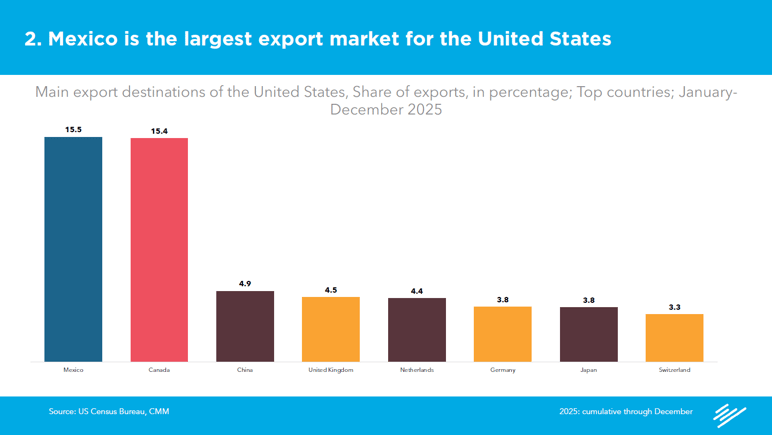
Insights presented highlighted the depth of economic integration between both countries. Mexico remains the largest export market for the United States, accounting for approximately 15.5% of total U.S. exports in 2025, slightly ahead of Canada. Additionally, Mexico is the largest or second-largest export destination for 75% of U.S. export sectors, underscoring its critical role in North American supply chains.
Cadena also introduced the concept of “Fortress North America”, reinforcing the idea that regional collaboration is not optional, but essential to compete globally—particularly in the context of shifting geopolitical dynamics and increasing competition with Asia.
Another key takeaway is the strong correlation between manufacturing performance in both countries. Manufacturing employment in the U.S. and Mexico continues to move in tandem, reflecting the deeply interconnected nature of industrial activity across the region.
“North America’s competitiveness will depend on how well we operate as a region—not as individual countries. Mexico is not just a trade partner; it is a strategic extension of U.S. manufacturing capabilities.”
— Emilio Cadena, CEO, Prodensa
Preparing for Mexico’s 40-Hour Workweek Transition
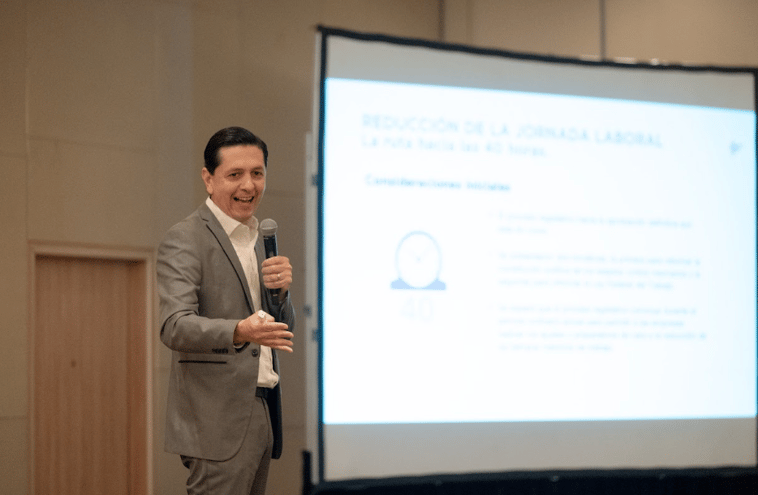
The second session, led by Álvaro García, Vice President of Human Resources, addressed one of the most significant upcoming labor changes in Mexico: the gradual transition toward a 40-hour workweek.
The reform, currently under legislative review, is expected to be implemented progressively between 2026 and 2030, reducing the maximum weekly working hours from 48 to 40 hours. This transition will require companies to rethink workforce planning, productivity models, and operational efficiency.
Key considerations shared during the session include:
- A phased implementation timeline, decreasing working hours year by year until reaching 40 hours by 2030
- New rules governing overtime, including expanded limits and updated compensation structures
- The introduction of mandatory electronic time tracking systems to ensure compliance
These changes represent more than a regulatory update—they signal a structural shift in how companies operate in Mexico.
“This reform is not just about reducing hours—it’s about redesigning how work gets done. Companies that prepare early will be in a much stronger position to adapt without disrupting operations.”
— Álvaro García, VP of Human Resources, Prodensa
Building a Future-Ready Business Community
The executive breakfast reflects Prodensa’s ongoing commitment to fostering informed, forward-thinking conversations with its clients and partners.
By combining strategic insights with practical guidance, the event provided attendees with a clearer understanding of how to navigate uncertainty and capitalize on emerging opportunities in Mexico and across North America.
Prodensa thanks all attendees for their participation and for continuing to build, alongside us, a well-informed and future-ready business community.