

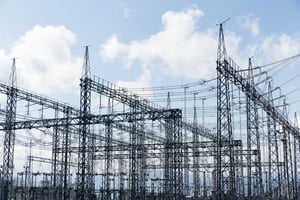
If you're considering manufacturing in Mexico, infrastructure is a critical factor that determines the success of your feasibility and site selection analysis. From ports and highways to industrial parks and energy grids, infrastructure in Mexico can either accelerate your market entry or pose significant operational challenges.
This post explores how infrastructure impacts every stage of manufacturing in Mexico and how to align your strategy with Mexico’s evolving capabilities.
Why Infrastructure Matters for Manufacturing in Mexico
Mexico’s advantages—such as proximity to the U.S., skilled labor, and trade agreements—only deliver real value when underpinned by strong infrastructure. Whether you're launching a new plant or expanding operations, your startup timeline, supply chain reliability, and operating costs all depend on infrastructure quality.
5 Infrastructure Pillars That Shape Manufacturing Success in Mexico
1. Port Infrastructure: Access to Global Trade Lanes
With high-volume Pacific and Gulf ports like Manzanillo, Veracruz, and Lázaro Cárdenas, Mexico provides essential gateways for raw materials and finished goods. Recent upgrades in automation and intermodal connections have improved flow and reliability.
Learn more:
👉 Mexico’s Port Terminals: The Backbone of International Trade Efficiency
Why Port Infrastructure in Mexico matters:
-
Reduces import/export delays
-
Enhances supply chain flexibility
-
Supports Asia-Pacific and Europe–Americas routes
2. Energy Infrastructure: Powering Production
Energy availability and reliability remain a major consideration for manufacturers in Mexico. While the country is expanding natural gas capacity and renewables, energy-intensive sectors must carefully evaluate local infrastructure and grid stability.
Related guide:
👉 Doing Business in Mexico’s Energy Sector: Insights for Manufacturers and Investors
Why Energy Infrastructure in Mexico matters:
-
Determines site viability for heavy industry
-
Impacts long-term operating costs
-
Drives investment in private energy partnerships

3. Industrial Real Estate: Speed-to-Operation Advantage
Modern industrial parks in key regions like Monterrey, Bajío, and Tijuana offer fully serviced lots with pre-approved permits, utility hookups, and access to talent. This dramatically shortens launch timelines.
Keep reading:
👉 Monterrey: a Leading Nearshoring Industrial Real Estate Hub
Why Industrial Real Estate Infrastructure matters:
-
Accelerates site readiness
-
Ensures compliance and infrastructure availability
-
Reduces risk in environmental and utility permitting
4. Transportation & Rail Infrastructure: Regional Integration
Mexico’s privatized rail network and expanding federal highway corridors offer integrated, cost-effective links to U.S. border crossings and internal markets. Major investments have targeted north-south corridors and intermodal terminals.
Explore more:
👉 The North American Trade Corridor: powering nearshoring growth
Why Transportation & Rail Infrastructure matters:
-
Supports bulk and finished goods transport
-
Enables multimodal logistics
-
Reduces cost per kilometer in high-volume routes
5. Digital and Utility Infrastructure: Enabling Smart Manufacturing
Advanced manufacturing in Mexico increasingly depends on robust digital infrastructure—from cloud connectivity and IoT platforms to secure data transmission. Gaps remain in rural areas, but major industrial hubs are well-connected.
Check it out:
👉 Industrial Corridors in Mexico
Why Digital & Utility Infrastructure matters:
-
Supports Industry 4.0 and predictive analytics
-
Improves uptime and remote management
-
Attracts technology-intensive manufacturers
Align Infrastructure with Your Business Model
Infrastructure isn't just a backdrop—it shapes your decision on how to operate in Mexico. Whether you're using a shelter model, setting up your own entity, or operating under IMMEX, your infrastructure strategy should match your production goals and market access plans.
Dive deeper:
👉 Doing Business in Mexico: A Manufacturer’s Guide
👉 Doing Business in Mexico: The Ultimate Site Selection Guide
Final Thought: Infrastructure is a Strategic Lever for Manufacturing in Mexico
From energy to rail to digital networks, infrastructure plays a vital role in cost competitiveness, supply chain reliability, and speed-to-market. Understanding how infrastructure impacts your operations is essential to building a successful manufacturing footprint in Mexico.
At Prodensa, we help global manufacturers evaluate locations, operational models, and infrastructure risks as part of The Mexico Journey™—our proprietary roadmap to successful expansion.
Contact our expert advisors or explore a personalized feasibility and site analysis with our team.