

 In our last post, Alejando Mendoza opened a conversation on where to land in Mexico. In the second part, we ask Luis Rodriguez about the role of construction in the location strategy decision. In practice, these two decisions run in parallel. They are not handed off, but continually calibrated against each other.
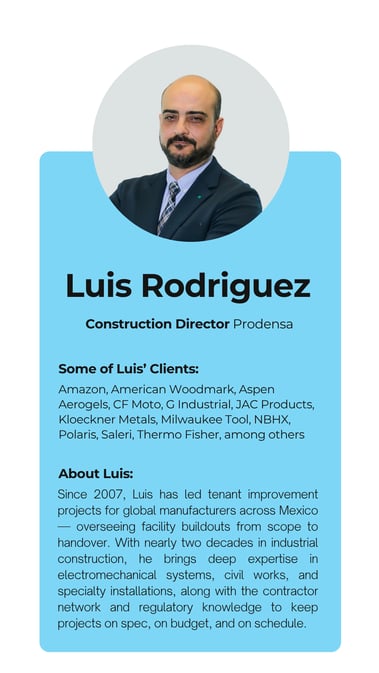
Luis Rodriguez, Construction Director at Prodensa and civil engineer by training, has led the construction of more than 14 million square feet of industrial facilities across Mexico. He brings a glimpse of what the construction side of the table sees during the site selection decision.
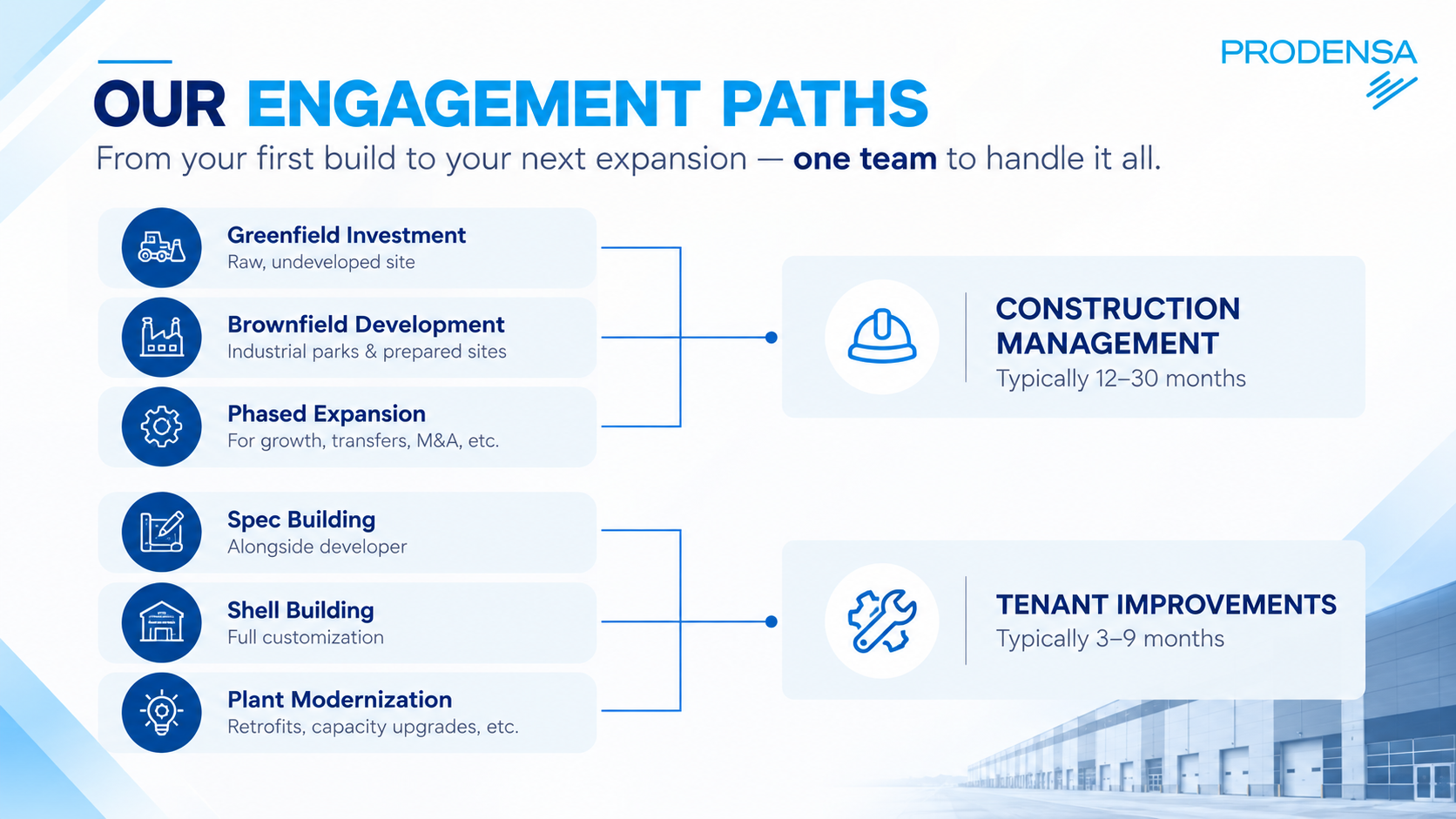
Construction management and tenant improvements are part of the suite of solutions that form Prodensa's one-stop-shop for launching manufacturing operations in Mexico.
Most companies bring the construction team in once the site is picked. Why do you argue against that?
“Because by the time the site is picked, the most expensive decisions have already been made, and a lot of them were made without anyone who actually builds in Mexico in the room. A broker can tell you what's available and what the market comps are. A strategy team can tell you what the pro-forma needs. Neither of them is going to tell you that the soil on site B will add three months and eight percent to your shell cost, or that the utility tie-in on site C looks fine on paper but runs through a right-of-way that will slip your ribbon-cutting two quarters. That's the construction view and if it's not calibrated against the location decision in real time, the site selection exercise is limited.”
What do you see at the site-selection stage that others don't?
"Constructibility. Which is shorthand for: can we actually build what's in the feasibility report on this specific piece of ground, to spec, on the timeline the business case assumed?" Luis provides examples of what this means in practice:
1. Soil and grade. Two sites in the same industrial park can have very different subgrade conditions. We've seen shells quoted as comparable where one site needed deep-soil stabilization and the other didn't. That's a seven-figure swing that shows up nowhere in the commercial negotiation.
2. Envelope and code fit. If you're bringing a design from another country, the gap between that design and a local code (structural, electrical, life-safety) can be significant. The earlier we see if, the better the budget can be.
Read more about construction project tropicalization.
Where does timing hit hardest when it hits? Where do you commonly see delays?
The biggest schedule risks are not always on the construction site. Many begin much earlier or outside the contractor’s control, for example:
Ultimately, preventing delays requires managing decisions, design interfaces, procurement, third parties, and operational readiness with the same discipline applied to field construction.
 Cesar Ruiz - Construction Project Manager
What costs are often missed in the site location planning stages? What are the "hidden" costs?
“The biggest bucket is what we call tropicalization — adapting an international design to Mexican code, Mexican materials, Mexican labor, and Mexican conditions. A design that was cost-validated in Ohio or Seoul or Stuttgart will not build for the same number here. Not because Mexico is expensive or cheap in the abstract, but because the assumptions underneath the drawings are different.”
 “None of this is hidden from someone who has built here. All of it is hidden in a business case written somewhere else. The value of having the construction voice at the site-selection table is that these numbers land in the pro-forma when they can still shape the decision, not after capex has been committed.”
Download Prodensa eBook "How to do Business in Mexico" as a manufacturer's guide to the compliance and milestones of getting an industrial operations up-and-running in Mexico.
What's the most expensive construction mistake you've seen in practice?
Luis pointed to some areas that, if overlooked, could cause major delays and added costs to the project. His read on this is shaped by where he spends his time: on site, across states, with permitting authorities, utilities, and contractor crews that behave very differently depending on the corridor and the season.
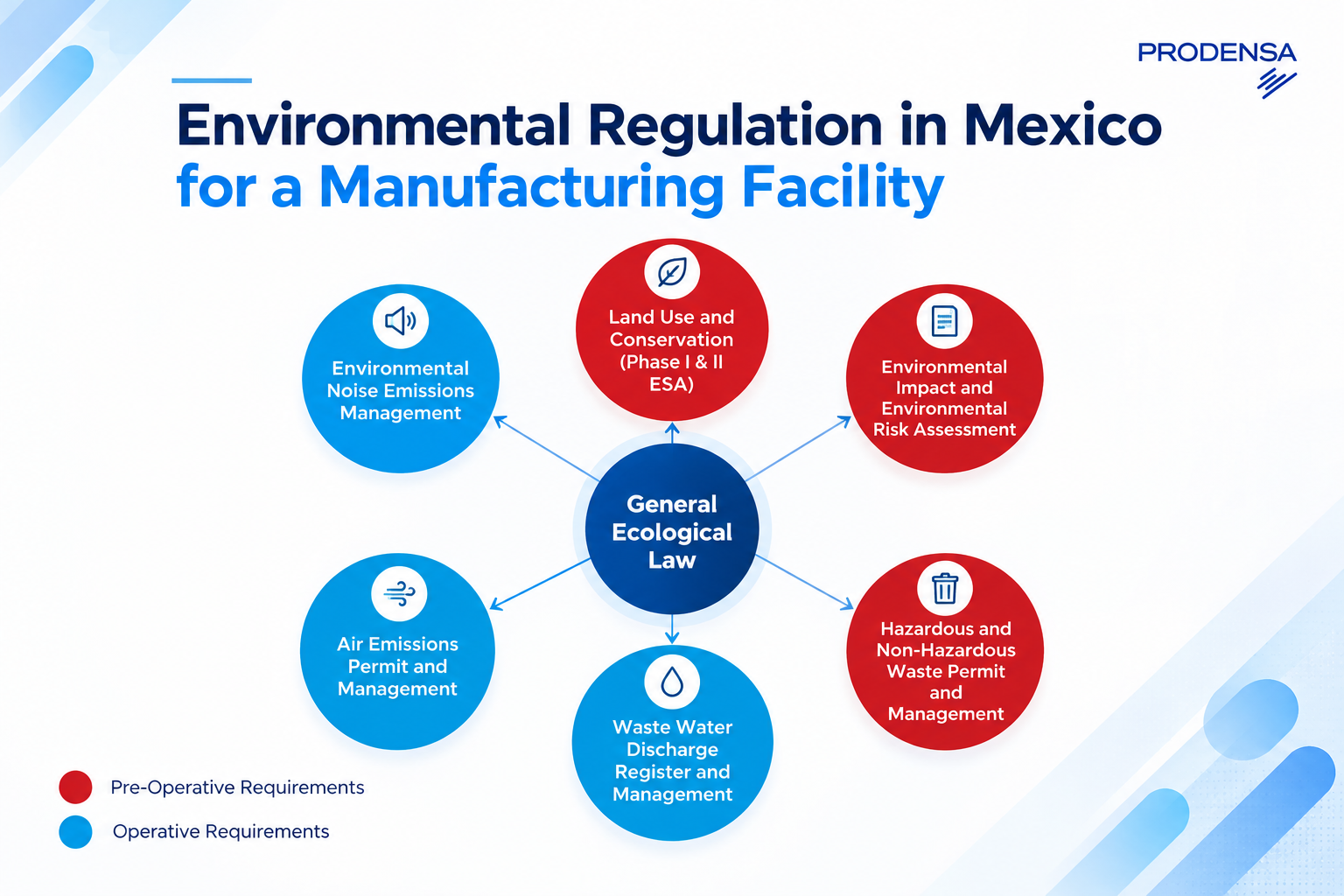
1. Permits vary by state, not by country. Mexico is not one regulatory environment for construction. Environmental, zoning, and operating permits are issued by different authorities under different workflows in different states. Two corridors that look similar on a map can have a two- or three-month gap in permit velocity.
2. Utility queues. Power and water tie-in requests sit in a queue with other projects in the same corridor. If you're fifth in line behind four large tenants, your SOP date is not what the feasibility report said.
3. Rainy season. In several of the corridors we work, site work stops or slows materially during the rainy months. Whether your shell pour lands before or after that window changes your schedule by weeks. No pro-forma I've reviewed has ever flagged it on its own.
4. Contractor bench depth. Every corridor has its own bench of qualified general contractors and specialty trades. In tight markets, bench availability determines your schedule as much as your drawings do.
“The costliest mistake I see is treating construction as a downstream execution task. When the site decision is finalized in a conference room at HQ and the construction team is handed the result, almost every lever that could have saved time or money is already gone.”
Two decisions. One team.
Prodensa's Real Estate and Construction Project Management teams work hand-in-hand from the feasibility and site selection anaysis and decision, to the final punch list and beyond to future expansion.
A constructibility analysis embedded in the site selection and real estate decision improves the project outcomes including quality and time; minimizes potential construction change orders; and aims to create a buildable and biddable construction package.
Greenfield Site Development in Northern Mexico?
For manufacturers planning a greenfield industrial plant in northern Mexico to serve the U.S. market, site selection and construction planning should be evaluated as one integrated decision. The right location must support not only cross-border logistics, but also workforce availability, utilities, permitting, constructibility, infrastructure, project timing, and future expansion.
Prodensa supports manufacturers with greenfield site development in Mexico by connecting site selection, real estate, and construction expertise from the earliest stages of the project. This allows potential locations to be evaluated not only for where a plant should be located, but also for whether the facility can realistically be built, connected, permitted, and operational within the required timeline.
For projects serving the U.S. market, this approach is particularly relevant in northern Mexico, where proximity to the border can provide significant logistics advantages, but conditions such as utility capacity, permitting timelines, labor availability, site conditions, and contractor availability can vary significantly by industrial corridor.
How Real Estate and Construction Work Hand-in-Hand to Improve Project Outcomes
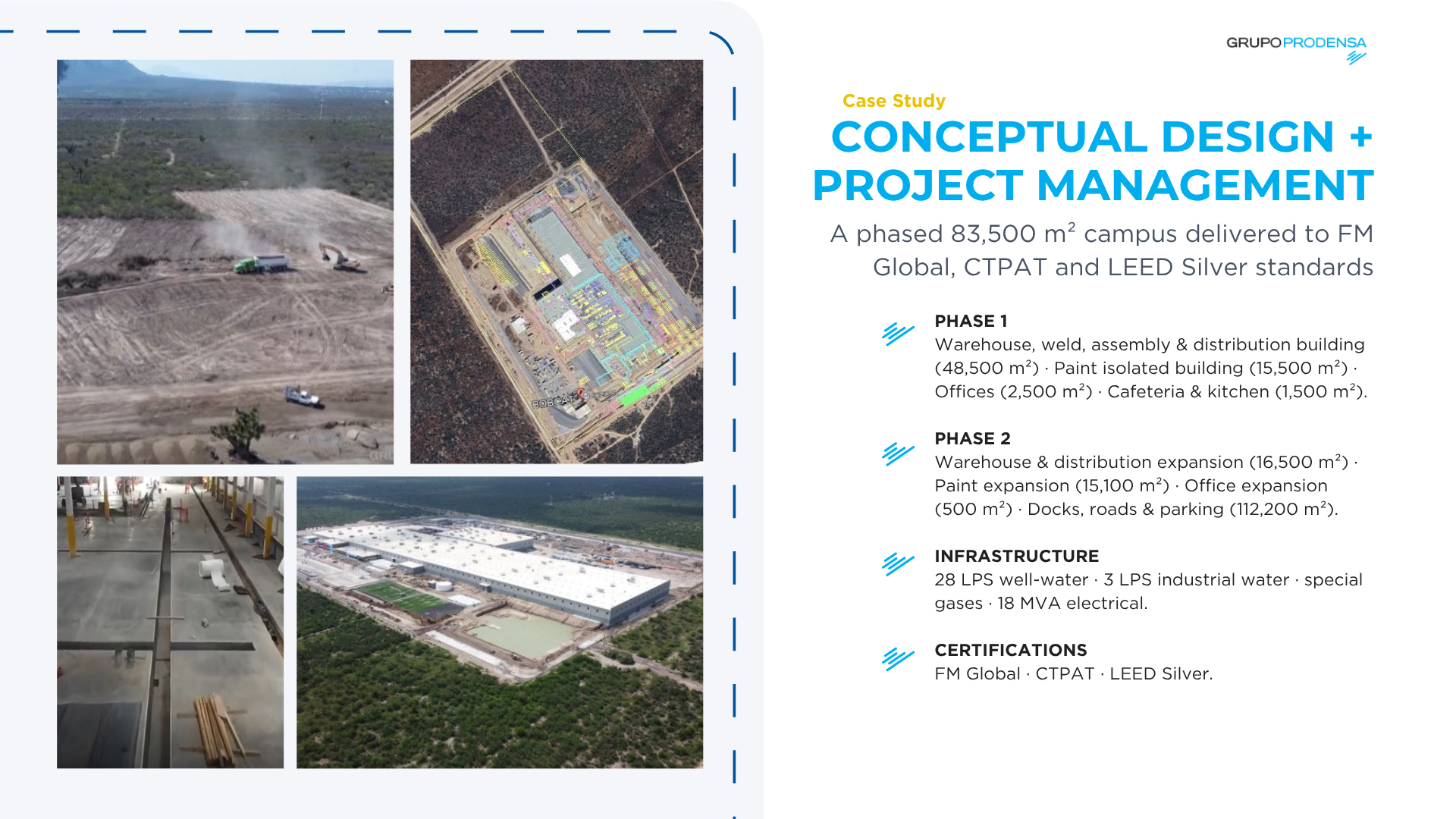
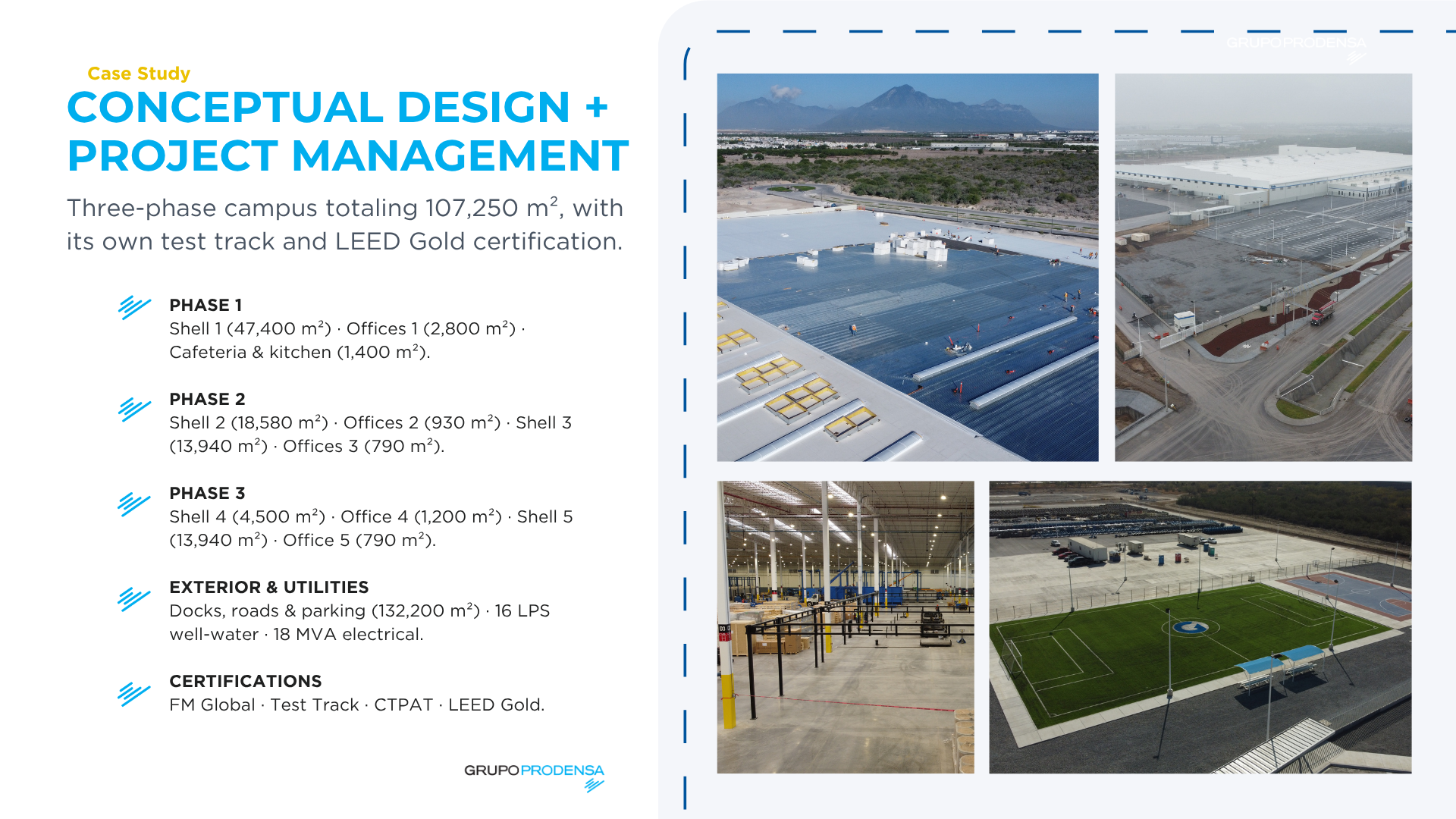
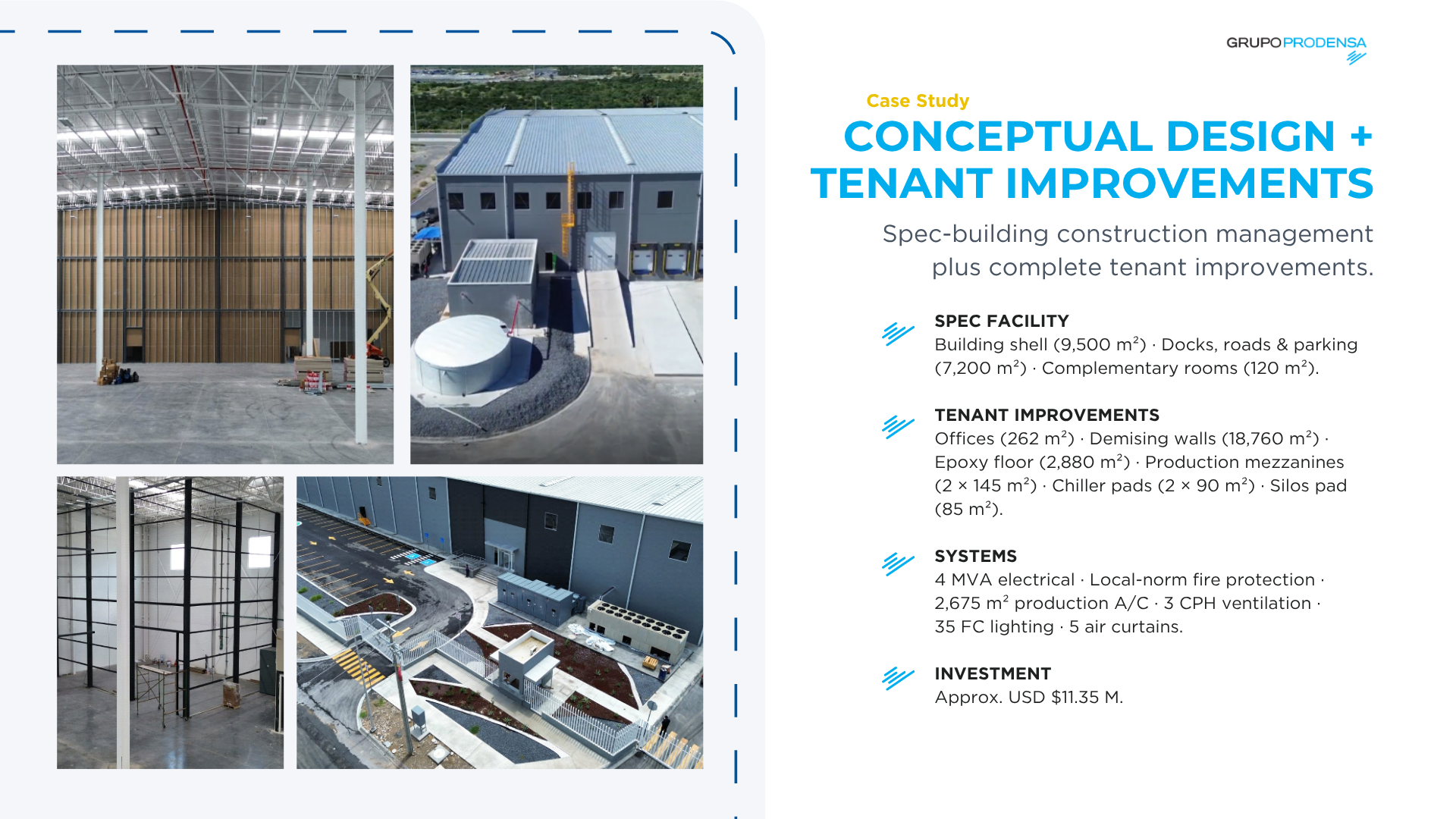
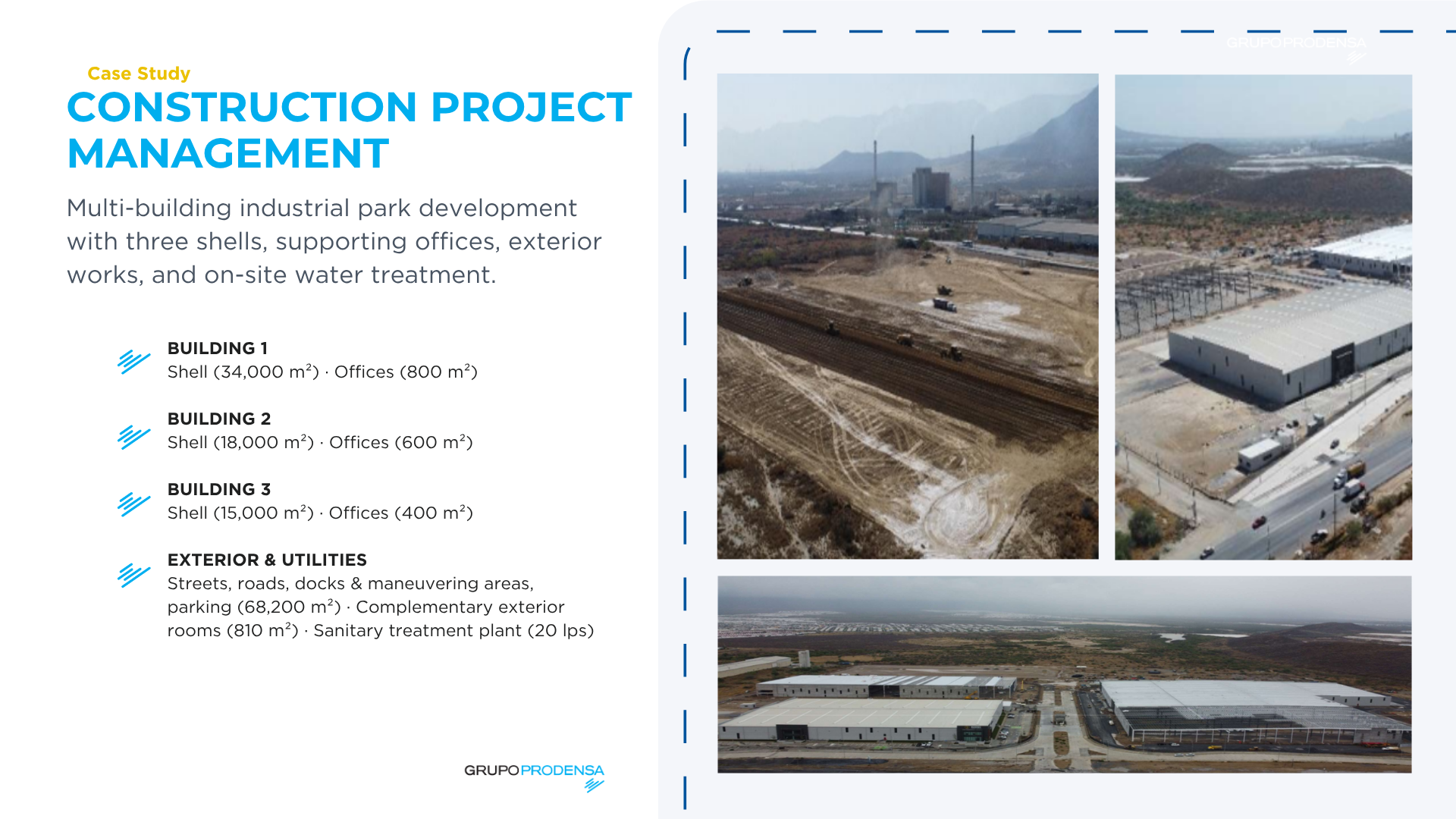
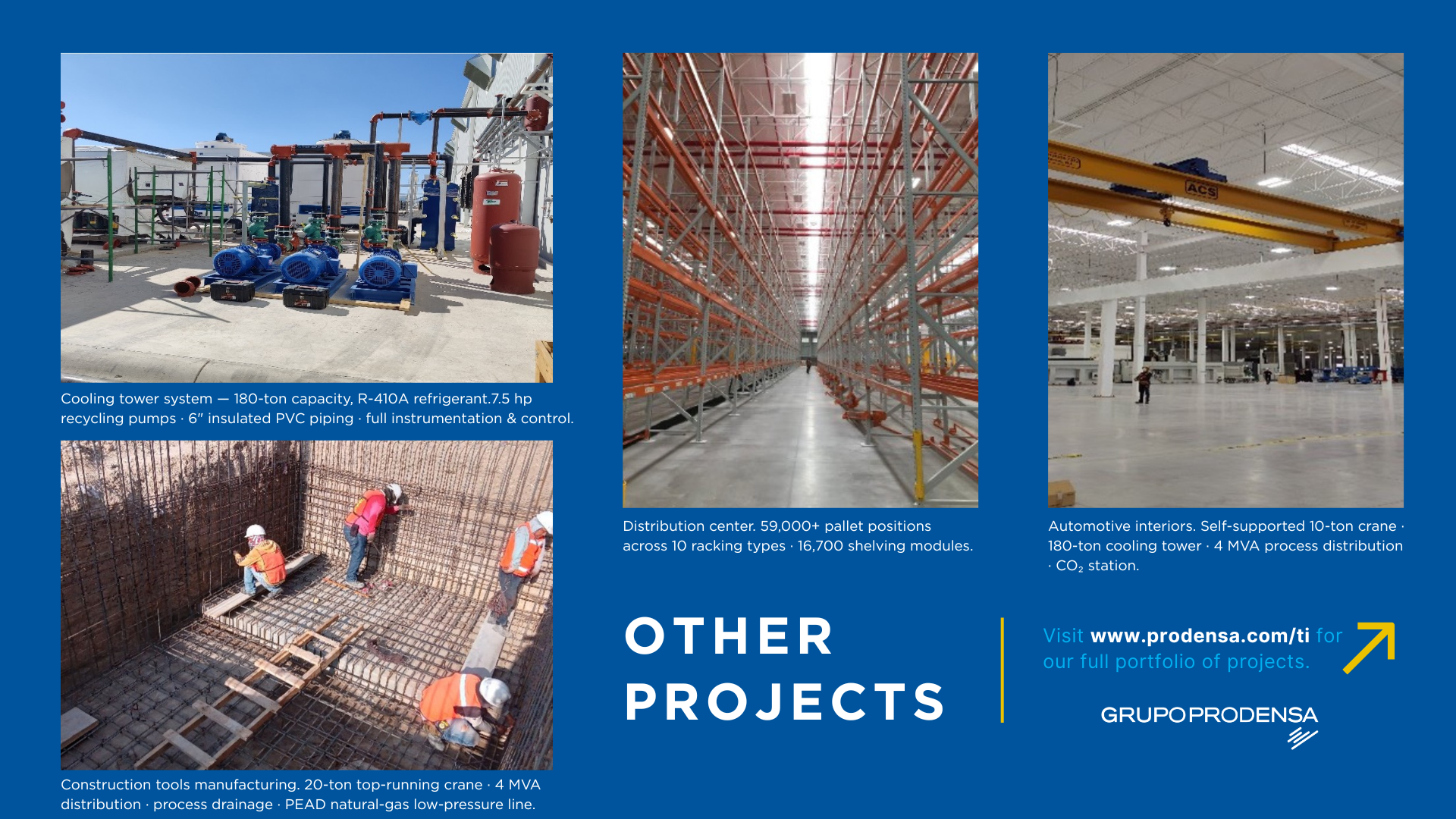
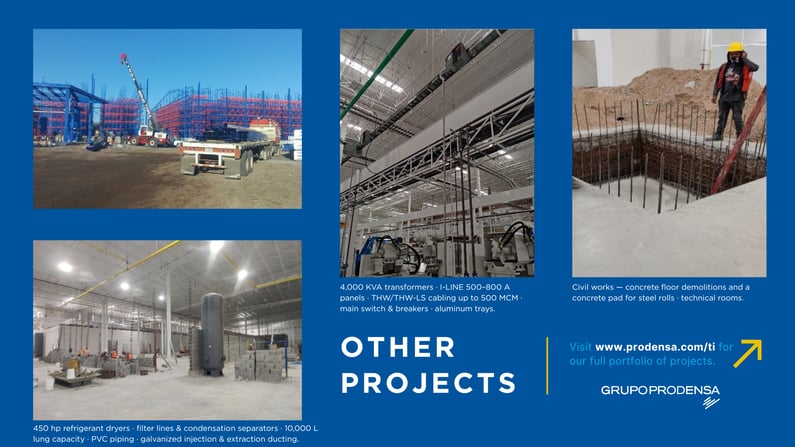
If you're considering a manufacturing build or build-out in Mexico, reach out to the experts.

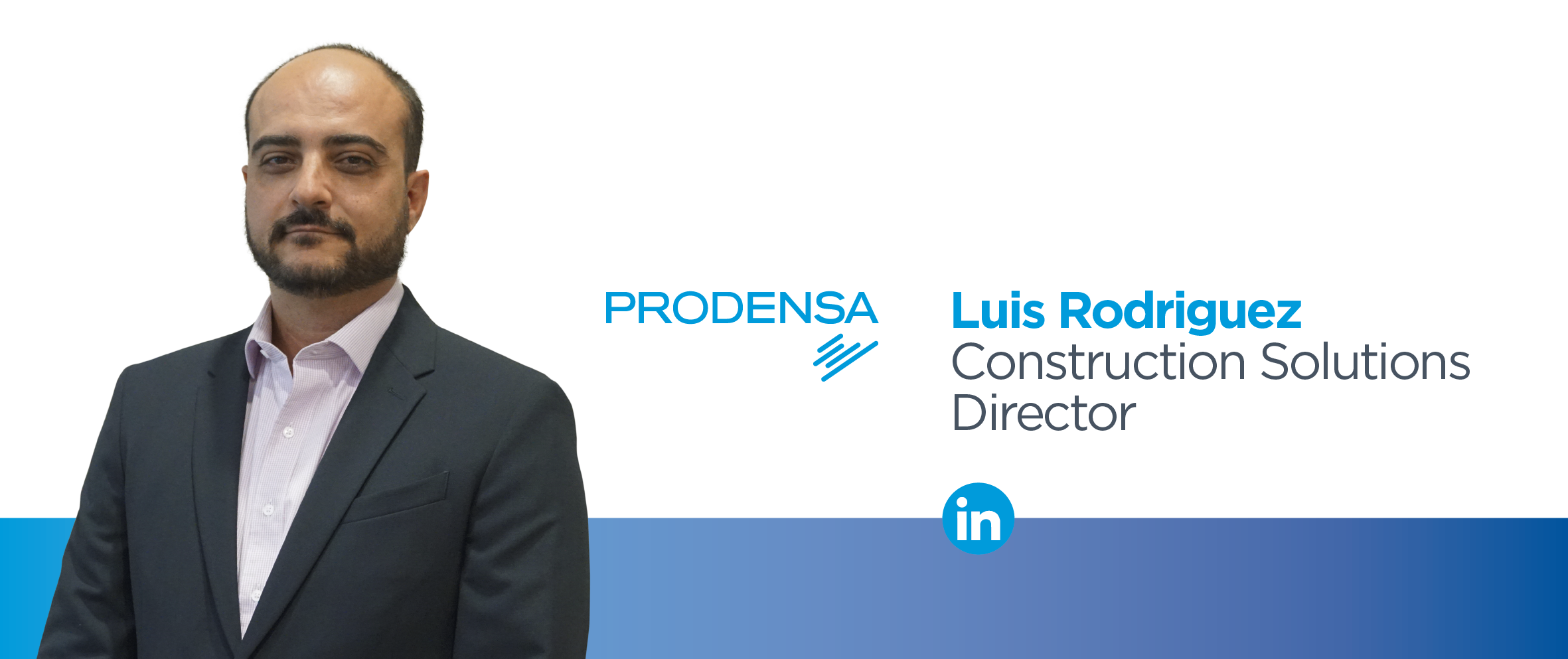
Luis Rodríguez leads Construction at Prodensa. A civil engineer by background, he has delivered more than 14 million square feet of industrial facilities across Mexico since 2007 — including tenant improvements, built-to-suits, and phased greenfield campuses for global manufacturers. If you have a Mexico project in early scoping and want a construction read on the corridor you're evaluating, he can be reached at media@prodensa.com.

Tropicalization:
The process of adapting an international facility design to Mexico’s local codes, materials, labor practices, climate, construction methods, and site conditions.
Utility Tie-In:
The physical connection of a facility to essential utility infrastructure such as electricity, natural gas, water, sanitary services, or telecommunications. Availability on paper does not necessarily mean the connection can be completed within the project timeline. .
Commissioning:
The process of testing and verifying that a facility’s systems and equipment are installed correctly and ready to operate as intended before production begins.

How early should construction feasibility be evaluated during the site selection process?
Ideally, before the site decision is finalized. Evaluating constructibility, utilities, permitting, site conditions, and infrastructure early can reveal constraints that may affect cost, schedule, or even the viability of the location.
If utilities are available at an industrial park, does that mean they will be ready when our facility needs them?
Not necessarily. Companies need to validate not only available capacity, but also connection requirements, utility tie-ins, infrastructure upgrades, approval processes, and actual delivery timelines.
What construction issues are most likely to delay a manufacturing startup in Mexico?
Delays can emerge from several areas, including late scope decisions, design coordination, long-lead equipment, utility connections, permits, unknown site conditions, and commissioning. Many of these risks can be identified before construction begins if they are incorporated into site and project due diligence.

- Construction feasibility should influence site selection—not follow it. A site may look attractive from a real estate or location perspective but still introduce construction constraints that affect cost, schedule, or startup.
- Utility availability and utility readiness are not the same thing. Capacity must be validated together with connection requirements, infrastructure, approvals, and the actual timeline for bringing services to the facility.
- A global facility design cannot always be replicated exactly in Mexico. Local codes, materials, climate, construction practices, and site conditions may require tropicalization before the design can be successfully executed.
- Many project delays begin before construction starts. Late owner decisions, incomplete scope definition, design coordination, permitting, and long-lead procurement can create schedule pressure well before crews mobilize on site.
- The lowest-cost site can become an expensive project. Site conditions, infrastructure upgrades, utility work, design adaptations, and schedule delays can materially change the real investment required to launch the operation.
- The site decision should be made with the startup date in mind. The real question is not only whether a facility can be built there, but whether it can be designed, permitted, connected, commissioned, and ready for production when the business needs it.
.png?width=1200&height=178&name=DIVIDER1%20(1).png)
Notice: The content of this blog is developed by Prodensa for informational and educational purposes regarding nearshoring, foreign trade, human capital, and manufacturing in Mexico. Although we strive to keep the information accurate and up to date, laws and regulations may change. This material is not a substitute for specialized professional advice. Prodensa is not responsible for decisions made based on this content without appropriate professional consultation.